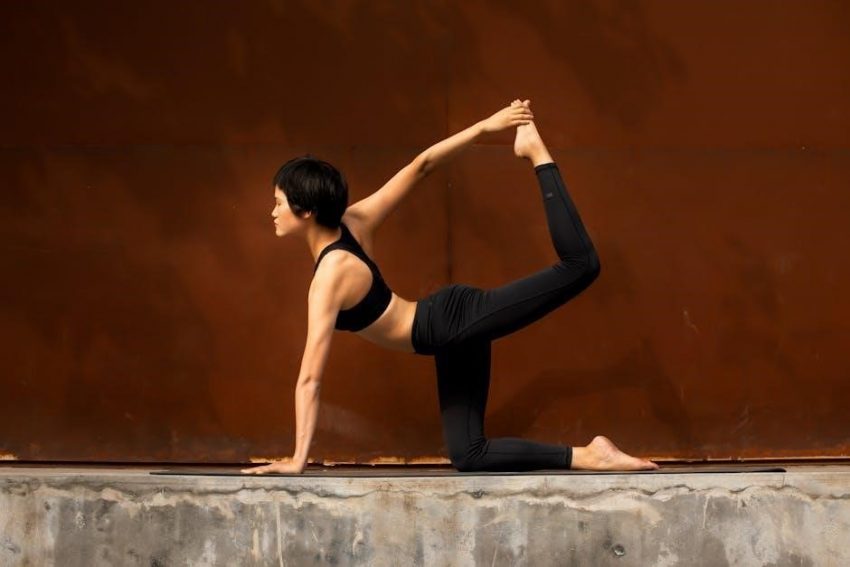
Embark on a one-month journey to core mastery‚ starting with foundational exercises designed for all levels‚ progressing from easy to difficult routines․
This program emphasizes building core stability through compound movements‚ aiming for a 25% effort contraction held for 10 seconds per repetition․
Consistency is key; aim for strengthening exercises 3-4 times weekly‚ alongside daily spinal muscle activation‚ utilizing a tiered approach․
What is Core Strength and Why is it Important?
Core strength isn’t merely about achieving a sculpted six-pack; it’s the foundation of all movement and stability․ It encompasses the muscles of your abdomen‚ back‚ and pelvis‚ working synergistically to support your spine and facilitate efficient motion․ This program focuses on setting the core – a 25% effort contraction – as a starting point․
A strong core improves posture‚ balance‚ and reduces the risk of injury during daily activities and exercise․ It’s crucial for transferring power between your upper and lower body․ Beginners will benefit from mastering foundational exercises before progressing to more advanced techniques․ Consistent practice‚ at least five times a week‚ is recommended for optimal results‚ building up to 10 repetitions․
Ultimately‚ developing core stability enhances athletic performance and overall functional fitness‚ making everyday tasks easier and more comfortable․
Benefits of a Strong Core
A robust core delivers a cascade of benefits extending far beyond aesthetics․ Improved posture is a primary advantage‚ counteracting the effects of prolonged sitting and reducing strain on your spine․ Enhanced balance minimizes the risk of falls‚ particularly crucial as we age‚ and contributes to greater stability during physical activity․
Furthermore‚ core strength directly translates to improved athletic performance‚ enabling more efficient power transfer during movements like running‚ jumping‚ and lifting․ This beginner program emphasizes building this foundation through consistent practice – aiming for 3-4 strengthening sessions weekly․
Reduced back pain is another significant benefit‚ as a strong core supports the spine and alleviates pressure․ Mastering basic exercises sets the stage for a healthier‚ more functional body․

Understanding Core Muscles
Core muscles aren’t just abs; they encompass a network supporting the spine‚ including spinal muscles activated through daily exercises and stretches․
The Major Core Muscle Groups
The core isn’t a single muscle‚ but a complex system of stabilizers․ Key players include the rectus abdominis – the ‘six-pack’ muscle – responsible for trunk flexion․ Transverse abdominis acts like a natural corset‚ providing deep core stability․ Obliques‚ both internal and external‚ enable rotational movements and side bending․
Beyond these‚ the erector spinae muscles run along the spine‚ supporting posture and extension․ Hip flexors and glutes also contribute significantly to core function‚ influencing pelvic stability․ Strengthening these interconnected groups is vital‚ not isolating individual muscles․ A balanced approach ensures optimal core performance and injury prevention‚ forming the foundation of the beginner program․
The Role of Core Muscles in Everyday Life
A strong core transcends gym workouts; it’s fundamental to daily activities․ From maintaining upright posture while sitting and standing to lifting objects safely‚ core muscles are constantly engaged․ Even simple actions like walking‚ twisting‚ and bending rely heavily on core stability․
Improved core strength translates to reduced back pain‚ enhanced balance‚ and increased efficiency in movement․ It supports the spine‚ protecting it from strain and injury․ This program aims to build a foundation for functional strength‚ improving your ability to perform everyday tasks with ease and minimizing the risk of discomfort or injury‚ enhancing overall quality of life․
Beginner Core Strengthening Exercises ─ Level 1 (Easy)
Start with foundational movements like pelvic tilts‚ dead bugs‚ bird dogs‚ and glute bridges‚ focusing on proper form and controlled execution for optimal results․
Pelvic Tilts
Pelvic tilts are a gentle yet effective starting point for core engagement․ Lie on your back with knees bent and feet flat on the floor․ Maintain a neutral spine‚ meaning a natural curve in your lower back․
Initiate the movement by gently tilting your pelvis backward‚ flattening your lower back against the floor․ Focus on contracting your abdominal muscles to create this posterior pelvic tilt․
Hold this contracted position for a few seconds‚ then slowly release‚ returning to the neutral spine position․ Avoid arching your back excessively during the release phase․
Build up to 10 repetitions‚ concentrating on controlled movements and maintaining proper form throughout the exercise․ This exercise sets the core‚ establishing a 25% effort contraction․
Dead Bugs
The Dead Bug exercise is excellent for learning core stability while coordinating limb movements․ Begin lying on your back with knees bent at 90 degrees and arms extended towards the ceiling․ Maintain a neutral spine‚ pressing your lower back into the floor․
Slowly lower your right arm towards the floor behind your head while simultaneously extending your left leg straight out‚ keeping both just above the ground․
Focus on preventing your lower back from arching as you move․ Return to the starting position and repeat on the opposite side – left arm and right leg;
Aim for 10 repetitions per side‚ prioritizing controlled movements and core engagement throughout․ This builds spinal muscle strength and core control․
Bird Dog Exercise
The Bird Dog is a fantastic exercise for enhancing core stability and improving coordination․ Start on your hands and knees‚ ensuring your hands are directly under your shoulders and knees under your hips․ Maintain a neutral spine throughout the movement․
Simultaneously extend your right arm forward and your left leg backward‚ keeping both straight and parallel to the floor․ Avoid arching your back or rotating your hips․
Focus on engaging your core to maintain balance and stability․ Hold for a brief moment‚ then return to the starting position․
Repeat on the opposite side – left arm and right leg – for 10 repetitions per side․ This strengthens spinal muscles and improves core control․
Glute Bridges
Glute Bridges are excellent for strengthening the glutes‚ hamstrings‚ and core – all vital for a stable foundation․ Lie on your back with your knees bent and feet flat on the floor‚ hip-width apart․ Your arms should be relaxed at your sides․
Engage your core and glutes‚ then lift your hips off the floor‚ creating a straight line from your knees to your shoulders․ Squeeze your glutes at the top of the movement․
Avoid arching your lower back excessively; focus on a controlled‚ smooth motion․ Hold the bridge position briefly‚ then slowly lower your hips back to the starting position․
Perform 10-15 repetitions‚ focusing on maintaining proper form throughout․ This exercise builds posterior chain strength and supports core stability․

Beginner Core Strengthening Exercises ⎻ Level 2 (Medium)
Progress to medium-level exercises like planks‚ side planks‚ bodyweight squats‚ and walking lunges‚ emphasizing core engagement and stability during each movement․
Plank (Proper Form & Modifications)
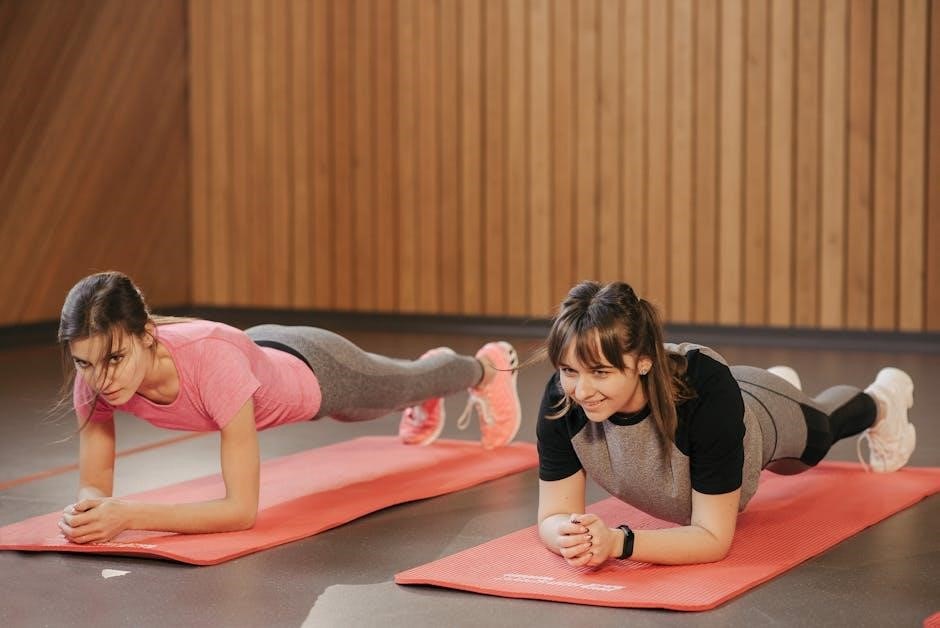
The plank is a foundational exercise for core strength‚ demanding proper form to maximize effectiveness and prevent injury․ Begin in a push-up position‚ but rest on your forearms instead of your hands‚ ensuring elbows are directly beneath shoulders․
Maintain a straight line from head to heels‚ actively engaging your core to prevent sagging or hiking of the hips․ Focus on squeezing your glutes and drawing your navel towards your spine․ Hold this position‚ breathing deeply and consistently․
For modifications‚ start with shorter hold times (10-20 seconds) and gradually increase duration as strength improves․ If a full plank is too challenging‚ perform it on your knees‚ maintaining the same straight-line alignment․ Remember to prioritize form over duration‚ always․
Side Plank (Proper Form & Modifications)
The side plank effectively targets oblique muscles‚ crucial for rotational stability․ Lie on your side‚ propping yourself up on your forearm‚ elbow directly under your shoulder․ Your body should form a straight line from head to feet․
Engage your core‚ particularly the obliques‚ to prevent your hips from sagging․ Maintain a neutral spine and breathe deeply throughout the exercise․ Focus on keeping your body rigid and stable‚ avoiding any twisting or bending․
For beginners‚ a modified side plank involves bending your bottom knee and placing it on the ground for added support․ Gradually progress to a full side plank as your core strength increases․ Hold for 20-30 seconds per side‚ repeating 2-3 times․
Bodyweight Squats (Focus on Core Engagement)
Bodyweight squats are a foundational exercise‚ powerfully engaging the core alongside the legs․ Stand with feet shoulder-width apart‚ toes slightly outward․ Initiate the movement by hinging at the hips‚ as if sitting back into a chair‚ keeping your back straight․
Crucially‚ maintain core engagement throughout the entire squat․ Imagine bracing your abdomen as if preparing for a light punch․ This prevents lower back rounding and maximizes core activation․ Descend until your thighs are parallel to the ground‚ or as low as comfortably possible․
Slowly return to the starting position‚ squeezing your glutes at the top․ Perform 10-12 repetitions for 2-3 sets‚ concentrating on controlled movements and consistent core stabilization;
Walking Lunges (Focus on Core Stability)
Walking lunges are a dynamic exercise that challenges core stability while building lower body strength․ Begin standing straight‚ hands on your hips‚ and step forward with one leg‚ lowering your body until both knees are bent at 90-degree angles․
Maintain a straight back and engaged core throughout the movement‚ preventing any twisting or leaning․ Push off with your front foot to bring your back leg forward into a lunge position‚ alternating legs with each step․
Focus on slow‚ controlled movements‚ completing 10 repetitions per leg for 2-3 sets․ This exercise demands constant core engagement to maintain balance and proper form․
Progressing Your Core Workout
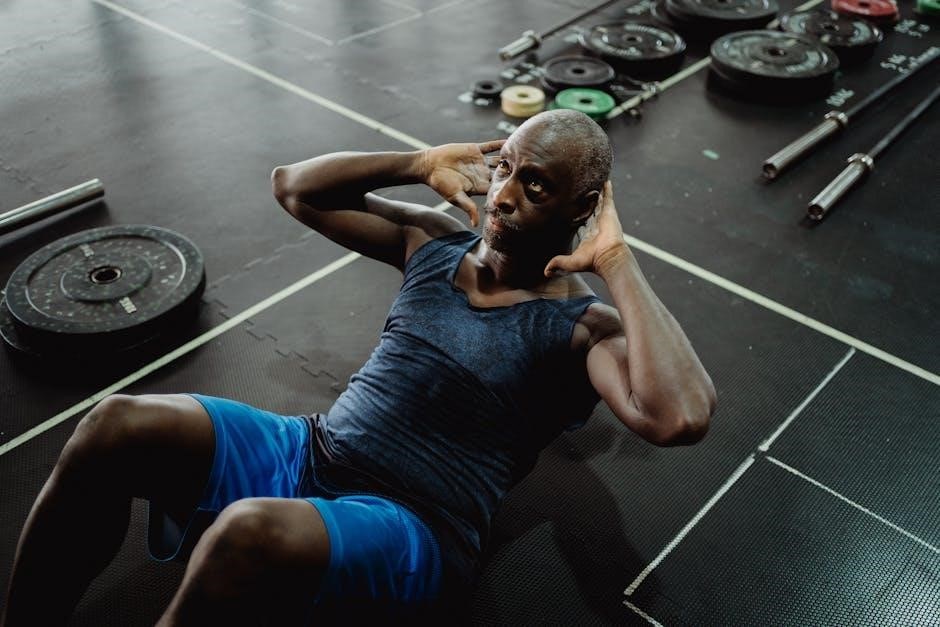
Gradually increase repetitions and sets to challenge your core further․ Introduce light weights or resistance bands‚ and explore more complex exercise variations․
Increasing Repetitions and Sets
As your core strength develops‚ progressively increasing the number of repetitions and sets is a fundamental method for continued improvement․ Begin by adding one or two repetitions to each set once you can comfortably complete the current amount with proper form․
For example‚ if you’re currently performing three sets of ten repetitions of pelvic tilts‚ aim for three sets of twelve or thirteen repetitions․ Once you can consistently achieve this‚ consider adding an additional set‚ moving from three to four sets․
This gradual overload challenges your core muscles to adapt and grow stronger over time․ Remember to prioritize maintaining correct technique throughout each repetition and set; quality over quantity is crucial to prevent injuries and maximize effectiveness․
Adding Resistance (Light Weights or Bands)
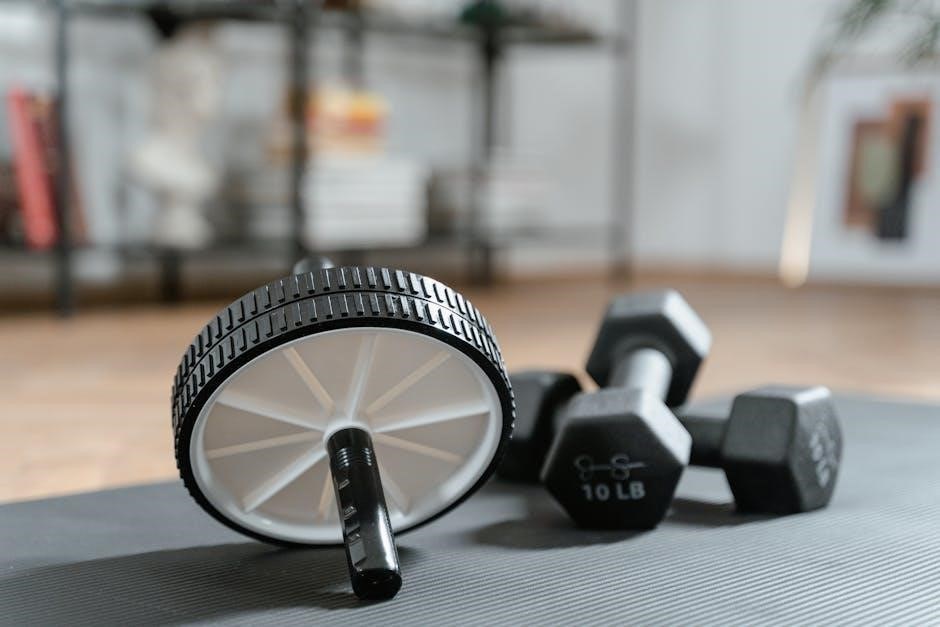
Once bodyweight exercises become manageable‚ introducing light resistance is the next logical step to further challenge your core․ Consider utilizing resistance bands or very light dumbbells – starting with weights between 1-3 pounds is often sufficient․
For exercises like glute bridges‚ a resistance band placed around your thighs can significantly increase the activation of your glutes and core․ When performing bird dogs‚ holding a light dumbbell in each hand adds an extra layer of difficulty․
Focus on controlled movements and maintaining proper form while incorporating resistance․ Avoid increasing the weight too quickly; prioritize mastering the exercise with good technique before progressing to heavier loads․
Introducing More Challenging Variations
As your core strength develops‚ explore variations of foundational exercises to continually challenge your muscles and prevent plateaus․ For instance‚ progress from standard planks to forearm planks‚ or add leg lifts to increase intensity․
Single-leg abdominal presses‚ pushing and pulling across the center of your body‚ are a fantastic progression․ Similarly‚ modify lunges by adding a torso twist to engage your obliques more effectively․
Remember to prioritize form over complexity․ Introduce one variation at a time‚ ensuring you can maintain proper technique throughout the entire exercise․ This gradual progression will maximize results and minimize the risk of injury․

Sample Beginner Core Workout Routine (PDF Focus)
A structured PDF program divides exercises into Easy‚ Medium‚ and Difficult levels‚ recommending 3-4 weekly strengthening sessions alongside daily spinal activation work․
Workout Structure (Frequency & Duration)
Establishing a consistent routine is paramount for beginner core strengthening․ The provided PDF program advocates for a frequency of at least five days a week dedicated to spinal muscle activation․ This daily focus doesn’t necessitate intense workouts; rather‚ it emphasizes consistent engagement․
Dedicated strengthening sessions should be performed three to four times weekly․ Each session should incorporate exercises from the Easy level initially‚ progressing as strength improves․ Aim for 10 repetitions of each exercise‚ focusing on controlled movements and proper form․
Session duration will vary based on individual fitness levels and exercise selection‚ but generally‚ a beginner core workout should last between 15-20 minutes‚ including warm-up and cool-down phases․ Prioritize quality over quantity‚ ensuring each repetition is executed with precision․
Warm-up Exercises for Core Activation
Prior to initiating core strengthening exercises‚ a dynamic warm-up is crucial for preparing the muscles and enhancing performance․ Begin with gentle spinal movements‚ such as pelvic tilts‚ to increase awareness and mobility in the lumbar region․
Follow this with controlled stretches‚ like slowly pulling one knee towards the chest while lying on your back‚ repeating 5-10 times per leg․ These stretches activate the core muscles and improve flexibility․
Focus on establishing a 25% effort contraction‚ holding for 10 seconds while maintaining a consistent breathing pattern․ This “setting the core” technique primes the muscles for the upcoming workout‚ ensuring optimal engagement and minimizing the risk of injury․
Cool-down Stretches for Core Flexibility
Concluding your core workout with dedicated cool-down stretches is vital for enhancing flexibility and reducing muscle soreness․ Begin with gentle spinal twists‚ lying on your back with knees bent and slowly rotating your knees from side to side‚ holding each stretch briefly․
Follow this with cat-cow stretches‚ alternating between arching and rounding your back to improve spinal mobility․ Incorporate a knee-to-chest stretch‚ holding each knee individually to target the lower back muscles․
Remember to maintain controlled breathing throughout each stretch‚ holding for 20-30 seconds․ These stretches promote recovery and help maintain the range of motion achieved during the workout‚ supporting long-term core health․

Common Mistakes to Avoid
Prioritize proper form over speed‚ and avoid holding your breath during exercises; maintain consistent breathing throughout each repetition for optimal results․
Incorrect Form and Posture
Maintaining correct form is paramount when beginning core strengthening exercises․ Many beginners rush through movements‚ sacrificing technique for repetitions‚ which diminishes effectiveness and increases injury risk; For example‚ during lunges‚ ensure your front knee doesn’t extend past your toes‚ and keep your back straight․
Poor posture during exercises‚ like a rounded back during pelvic tilts or dead bugs‚ prevents proper muscle engagement․ Focus on maintaining a neutral spine – a natural curve – throughout each exercise․ Visualize drawing your navel towards your spine to activate your deep core muscles․
Slow‚ controlled movements are crucial; avoid jerky motions․ If you find yourself struggling to maintain form‚ reduce the range of motion or choose an easier variation․ Prioritize quality over quantity to build a solid foundation․
Holding Your Breath
A common mistake during core exercises is unintentionally holding your breath․ This increases internal pressure‚ potentially leading to dizziness or even a temporary spike in blood pressure․ Proper breathing is fundamental to effective core engagement and overall safety․
Exhale during the exertion phase of each exercise – for instance‚ as you lift during a glute bridge or contract your abs in a pelvic tilt․ Inhale during the easier‚ recovery phase․ This rhythmic breathing pattern helps stabilize your core and maintain consistent muscle tension․
Focus on deep‚ diaphragmatic breathing‚ allowing your abdomen to expand and contract with each breath․ Consciously remind yourself to breathe throughout the entire set‚ even when challenging yourself․

Resources for Further Learning (PDF Downloads)
Explore comprehensive PDF guides to deepen your understanding of core strengthening‚ supplementing this program with detailed visuals and advanced exercise progressions․
Recommended Core Strengthening PDF Guides

Delve into specialized PDF resources designed to complement your beginner core journey․ These guides often provide detailed anatomical illustrations‚ clarifying muscle engagement during each exercise․ Look for PDFs focusing on progressive overload‚ ensuring safe and effective advancement through levels – Easy‚ Medium‚ and Difficult․
Many guides emphasize the importance of proper form‚ offering step-by-step instructions and common mistake corrections․ Seek out resources that incorporate variations of fundamental exercises like pelvic tilts‚ dead bugs‚ and glute bridges‚ building a solid foundation․
Furthermore‚ explore PDFs detailing spinal muscle strengthening techniques‚ crucial for overall core stability․ These resources will help you understand the nuances of core activation and breathing patterns‚ maximizing the benefits of your workouts․
Online Resources and Videos
Supplement your PDF learning with dynamic online resources and videos demonstrating proper form for each core exercise․ Visual guidance is invaluable‚ particularly for movements like planks‚ side planks‚ and walking lunges‚ ensuring correct technique and preventing injury․
Seek out channels that break down exercises into manageable steps‚ highlighting core engagement and breathing cues․ Many platforms offer beginner-friendly routines‚ mirroring the Easy and Medium levels outlined in progressive programs․
Explore resources showcasing variations of exercises‚ such as the single-leg abdominal press‚ to challenge your core as you progress․ Remember to prioritize quality over quantity‚ focusing on controlled movements and maintaining a 25% effort contraction․