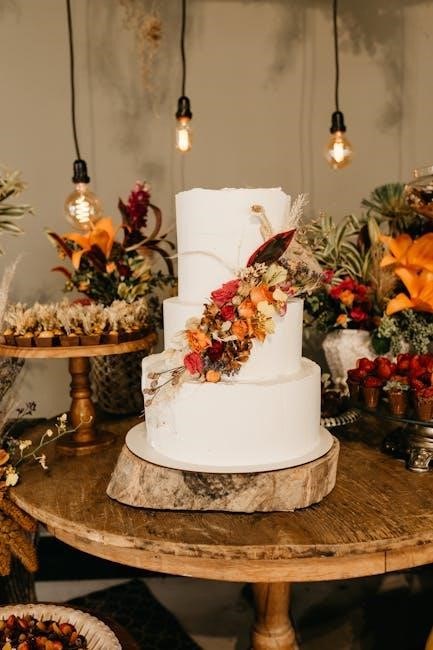
Wilton Wedding Cake Serving Guide: A Comprehensive Overview
Wilton’s comprehensive guide simplifies wedding cake planning‚ offering charts for batter‚ icing‚ and precise serving estimations for various pan sizes and tiered designs.
This resource ensures bakers accurately calculate cake needs‚ considering guest counts‚ slice preferences‚ and cake density for a delightful celebration experience.
Understanding Wilton’s Serving Charts
Wilton’s serving charts are foundational for wedding cake planning‚ providing a structured approach to determine cake size and ingredient quantities. These charts aren’t merely about numbers; they represent a balance between standard serving sizes and realistic expectations for wedding receptions.
The charts detail expected servings based on pan dimensions – round‚ square‚ and sheet cakes – and are crucial for calculating batter and icing needs. Wilton acknowledges that these are guidelines‚ and user feedback on platforms like Reddit suggests a “pinch of salt” is advisable‚ particularly regarding cake height and slice size.
Understanding that a 6-inch tall cake warrants thinner slices than a 3-inch tall one is key. The charts also help estimate for tiered cakes‚ but require careful calculation combining individual tier servings. Ultimately‚ Wilton’s charts are a starting point‚ adaptable to individual preferences and event specifics.
The Importance of Accurate Serving Sizes
Accurate serving size estimations are paramount for a successful wedding cake experience‚ preventing both shortages and excessive waste. Underestimating leads to disappointed guests‚ while overestimating results in costly leftovers. Wilton’s guides aim to strike a balance‚ offering a framework for precise calculations.
Beyond guest satisfaction‚ accurate sizing impacts budget management. Cake ingredients and decorating are significant expenses; precise planning minimizes unnecessary costs. Considering factors like guest demographics – adults versus children – is also vital‚ as portion preferences differ.
Furthermore‚ acknowledging dessert alternatives is crucial. If a buffet offers multiple options‚ cake servings can be slightly reduced. Wilton’s blog emphasizes filling pans appropriately (½ to ⅔ full) to ensure optimal cake structure and serving yield‚ reinforcing the importance of precision.
Wilton Cake Pan Sizes and Corresponding Servings
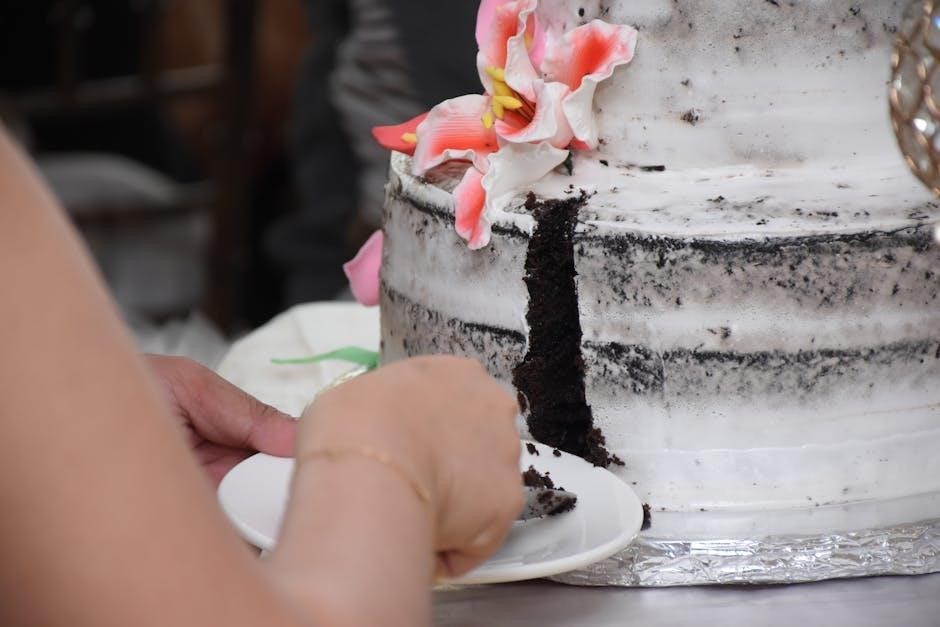
Wilton provides detailed serving charts linked to specific pan dimensions‚ crucial for accurate wedding cake planning. Round pans range from 6-inch (approximately 12 servings) to 15-inch (over 80 servings)‚ while square pans offer similar scaling. Sheet cakes‚ ideal for larger gatherings‚ yield substantial portions – a 12×18 inch sheet cake can serve 54 guests.
These charts aren’t merely about diameter or area; cake height significantly influences serving counts. A taller cake naturally yields more slices. Wilton’s ultimate guide stresses that baking for varying group sizes requires understanding these correlations.
It’s important to note that these are estimated servings‚ based on standard slice sizes. Reddit discussions highlight that some bakers adjust slice dimensions based on cake height‚ advocating for thinner slices in taller cakes to avoid overwhelming portions.
Round Cake Serving Guide — Wilton Standards
Wilton’s round cake serving guide establishes benchmarks based on pan diameter and layer count. A standard 6-inch round cake‚ typically a single layer‚ yields around 12 servings‚ perfect for intimate gatherings. Increasing to an 8-inch cake boosts servings to approximately 16-20. Larger sizes‚ like 10-inch and 12-inch rounds‚ serve 24-32 and 38-48 guests respectively.
However‚ Wilton emphasizes that these are party-style servings – smaller‚ more manageable portions. For wedding settings‚ where slices are often more substantial‚ bakers may adjust downwards. Cake height is also critical; a double-layered 10-inch cake will yield significantly more than a single layer.
Reddit users caution against strictly adhering to Wilton’s numbers‚ suggesting consideration of guest appetites and potential dessert alternatives when determining final cake size.
Square Cake Serving Guide — Wilton Standards
Wilton’s square cake serving guide mirrors the principles of their round cake charts‚ basing serving sizes on pan dimensions. An 8-inch square cake generally provides 16 servings‚ suitable for smaller receptions or alongside other desserts. Scaling up to a 10-inch square increases capacity to around 25 servings‚ while a 12-inch square can comfortably serve 36-40 guests.
Similar to round cakes‚ these are considered party-style portions. Wedding cakes often necessitate slightly smaller‚ more refined slices. The height of the square cake significantly impacts yield; a tiered square cake will offer considerably more servings than a single layer.
Online discussions highlight that Wilton’s guidelines should be viewed as estimates‚ factoring in guest preferences and the overall dessert spread.
Sheet Cake Serving Guide ‒ Wilton Standards
Wilton’s sheet cake serving guide offers a practical solution for larger guest counts‚ providing efficient and economical serving options. A standard 12×18 inch sheet cake typically yields around 36 servings‚ making it ideal for supplementing tiered wedding cakes or serving as a standalone dessert for casual receptions.
Larger sheet cakes‚ such as 18×24 inch‚ can serve up to 54 guests. These serving sizes are based on party-style cuts‚ and adjusting slice sizes is common. The height of the sheet cake also plays a role‚ with taller cakes offering more substantial portions.
Remember that Wilton’s charts are guidelines; consider guest appetites and the availability of other desserts when determining the appropriate sheet cake size.
Tiered Wedding Cake Serving Calculations
Calculating servings for tiered wedding cakes requires a systematic approach‚ as each tier contributes to the overall guest capacity. Wilton emphasizes calculating servings per tier individually‚ based on its shape and diameter‚ then summing these values to determine the total yield.
This method ensures accurate estimations‚ avoiding under or over-provisioning. Remember that standard wedding cuts assume consistent slice sizes across all tiers‚ though real-world portions may vary. Consider the height of each tier; taller tiers naturally yield more substantial servings.
Wilton’s guides provide detailed charts for round‚ square‚ and sheet cake tiers‚ simplifying the calculation process and helping bakers confidently plan for their event.
Calculating Servings for Multi-Tiered Cakes
For multi-tiered cakes‚ Wilton advocates a tier-by-tier serving calculation‚ adding the individual tier yields to arrive at the total. Begin by determining the serving size for each tier using Wilton’s charts‚ based on shape and diameter. Remember to account for the cake’s height‚ as taller cakes offer more substantial portions.
Reddit discussions highlight that Wilton’s standard serving sizes can be conservative; some bakers suggest adjusting based on guest appetites and desired portion generosity. It’s crucial to consider whether you’re using the traditional “wedding cut” or standard slice sizes.
Accurate calculations prevent waste and ensure every guest enjoys a piece of the celebration cake‚ making the planning process smoother and more enjoyable.
Wilton’s Recommended Serving Sizes per Tier
Wilton provides detailed serving size recommendations based on cake tier diameter and shape. For instance‚ a 6-inch round cake typically yields around 12 servings‚ while an 8-inch round serves approximately 24. Square cakes of equivalent dimensions offer slightly more‚ around 20 and 32 servings respectively.
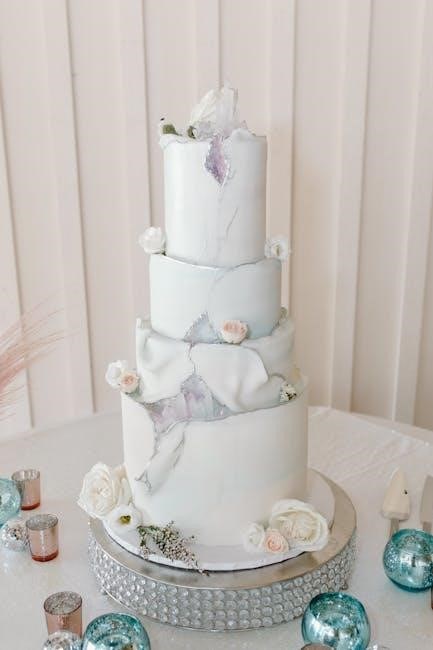
Sheet cakes‚ a popular choice for larger gatherings‚ are estimated at 20-30 servings per quarter sheet. However‚ user feedback on Reddit suggests these are conservative estimates‚ particularly for generous portions.
Wilton’s blog emphasizes filling pans only 1/2 to 2/3 full‚ impacting the final cake height and‚ consequently‚ the serving size. These guidelines are a starting point‚ adaptable to individual preferences and guest appetites.

Adjusting Serving Sizes Based on Guest Preferences
Wilton’s standard serving sizes assume a typical “wedding cut” – a relatively narrow slice. However‚ anticipating guest preferences is crucial. If your guests enjoy larger portions‚ increase the estimated servings by 10-15%. Conversely‚ if you anticipate many guests will opt for smaller tastes‚ or if ample dessert alternatives are available‚ you can slightly reduce the serving count.
Consider the demographic; children generally consume smaller portions. Reddit discussions highlight that Wilton’s charts can underestimate servings‚ especially with taller cakes‚ as a standard wedge size doesn’t scale proportionally with height.
Ultimately‚ erring on the side of abundance is preferable to running out of cake‚ ensuring a memorable and satisfying experience for all attendees.
Factors Affecting Actual Serving Yield
Wilton’s serving charts provide a solid foundation‚ but several factors influence the actual number of servings a cake yields. Cake density significantly impacts portion size; a heavier‚ richer cake naturally necessitates smaller slices than a light and airy sponge. Filling type also plays a role – generous fillings can make a smaller slice feel more substantial.
Furthermore‚ cutting technique dramatically alters yield. Precise‚ uniform slices maximize servings‚ while uneven cuts waste cake. The height of the cake is also critical; Wilton acknowledges that slice size shouldn’t remain constant regardless of cake height.
Finally‚ guest appetite and the availability of other desserts will influence how much cake each person consumes.
Cake Density and Filling Impact on Serving Size
Wilton’s serving suggestions assume a standard cake density‚ but variations significantly affect portion sizes. Dense cakes‚ like pound cake or those with substantial additions (nuts‚ fruit)‚ are richer and more filling‚ requiring smaller slices to avoid overwhelming guests. Conversely‚ light and airy sponges can accommodate larger portions.
The type and amount of filling also play a crucial role. Generous layers of buttercream‚ mousse‚ or fruit filling contribute significantly to the overall richness and satiety‚ meaning a smaller cake piece feels more satisfying.
Adjusting serving sizes based on these factors ensures guests enjoy their dessert without feeling overly full‚ maximizing enjoyment and minimizing waste.
Cutting Techniques and Serving Size Variations
Wilton’s standard serving sizes are based on a consistent cutting method‚ but real-world execution varies. The traditional “wedding cut” – smaller‚ triangular slices – is often favored for presentation‚ but yields fewer servings per layer compared to a grid-style cut with rectangular portions.
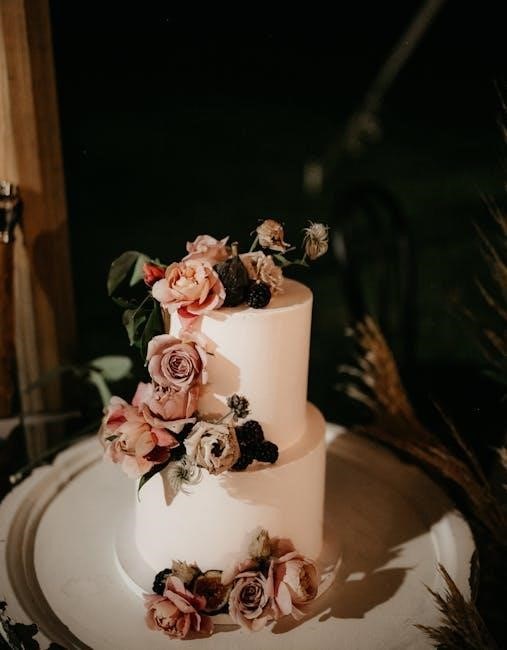
Cake height dramatically influences slice size; a taller cake necessitates thinner slices for comfortable consumption. Experienced servers often adjust slice width based on cake texture and filling abundance‚ ensuring a balanced bite.
Reddit discussions highlight that Wilton’s guide can be conservative‚ with many bakers opting for slightly smaller slices‚ especially for multi-tiered cakes‚ to prevent overwhelming guests with overly large portions.
The “Wedding Cut” vs. Standard Slice
Wilton’s serving charts generally assume a standard‚ rectangular slice‚ maximizing portions per cake layer. However‚ the elegant “wedding cut” – a smaller‚ triangular wedge – is a popular presentation choice‚ prioritizing aesthetics over sheer quantity.
The wedding cut‚ while visually appealing‚ inherently results in fewer servings from the same cake size. Reddit users note this discrepancy‚ suggesting Wilton’s estimates may be optimistic when employing this traditional method.
Choosing between the two depends on desired portion size and overall guest experience. A standard slice offers a more substantial serving‚ while the wedding cut provides a delicate‚ refined portion‚ often preferred at formal events.
Wilton’s Guide to Batter and Icing Quantities
Wilton provides detailed guidance on determining the precise amount of batter needed based on chosen pan sizes and desired cake height. Their resources emphasize filling pans appropriately – typically 1/2 to 2/3 full‚ with 3-inch deep pans requiring only half-full filling to prevent overflow during baking.
Calculating icing requirements is equally crucial‚ factoring in both cake coverage and decorative elements. Wilton’s blog offers insights into buttercream-to-cake ratio considerations‚ ensuring sufficient icing for a polished finish.
These guides are invaluable for avoiding shortages or excessive amounts of either batter or icing‚ streamlining the baking and decorating process for a stress-free wedding cake creation.
Determining Batter Needs Based on Pan Size
Wilton’s ultimate cake serving guide is essential for accurately calculating batter requirements‚ directly linked to the chosen pan dimensions; The guide details how different pan shapes – round‚ square‚ or sheet – necessitate varying batter volumes to achieve the desired cake height and number of servings.
Understanding pan depth is critical; Wilton advises filling pans between 1/2 and 2/3 full‚ adjusting for deeper pans to prevent overflow. This ensures even baking and optimal cake structure.
By referencing Wilton’s charts‚ bakers can confidently scale recipes‚ avoiding batter shortages or waste‚ and guaranteeing a perfectly sized cake for any wedding celebration.
Calculating Icing Requirements for Decoration
Wilton’s guide emphasizes that calculating icing needs extends beyond simply covering the cake; it encompasses all decorative elements‚ from smooth finishes to intricate piping details. The amount of buttercream required is heavily influenced by the complexity of the design and the desired texture.
Consider the type of icing – buttercream‚ fondant‚ or ganache – as each has different coverage properties. Wilton suggests estimating generously‚ accounting for potential waste during application and smoothing.
For tiered cakes‚ factor in the additional icing needed for stacking and creating seamless transitions between layers. Accurate icing calculations prevent last-minute scrambles and ensure a beautifully finished wedding cake.
Buttercream to Cake Ratio Considerations
Wilton stresses the importance of a balanced buttercream-to-cake ratio for both taste and structural integrity. A generous buttercream layer enhances flavor and moisture‚ but excessive amounts can make the cake overly sweet or unstable.
Generally‚ a ratio of 2:1 or 3:1 (buttercream to cake by weight) is recommended for frosted cakes‚ but this varies based on personal preference and filling choices. Cakes with fruit fillings may require less buttercream‚ while denser cakes benefit from a more generous coating.
For tiered cakes‚ sufficient buttercream between layers is crucial for support. Wilton’s resources guide bakers in achieving the optimal balance‚ ensuring a delicious and structurally sound wedding cake.
Serving Size Adjustments for Different Guest Counts
Wilton’s serving guides provide a foundation‚ but adjustments are vital based on guest numbers. For smaller weddings‚ scaling down recipes accurately prevents excessive leftovers. Conversely‚ larger events necessitate careful scaling up to avoid running out of cake.
Consider offering dessert alternatives alongside the wedding cake‚ allowing for smaller slice sizes. Accounting for children’s portions – typically half the adult serving – further refines estimations. Wilton emphasizes planning for a slight surplus‚ especially when erring on the side of generosity.
Accurate guest counts‚ combined with Wilton’s charts and mindful adjustments‚ ensure a delightful experience for everyone without wasteful excess.
Scaling Recipes for Smaller Weddings
Wilton recognizes that not all weddings are grand affairs; scaling recipes for intimate gatherings is crucial. When reducing a recipe‚ avoid simply halving ingredients – precise calculations are key to maintaining flavor and texture. Start by accurately determining the required number of servings based on your guest list.
Utilize Wilton’s serving charts in reverse‚ identifying the pan size that yields your desired portion count. Adjust batter and icing quantities proportionally‚ paying close attention to egg measurements – sometimes requiring fractional adjustments.
Remember‚ smaller cakes bake faster; monitor closely to prevent overbaking. Careful scaling ensures a beautifully presented and delicious cake‚ perfectly suited for a smaller celebration.
Scaling Recipes for Larger Weddings
Wilton understands that larger weddings demand meticulous recipe scaling. Simply multiplying ingredients isn’t always effective; consider the limitations of your mixing equipment and oven capacity. Divide the batter into multiple batches to ensure even mixing and consistent baking.
When increasing icing quantities‚ prepare it in stages‚ allowing for adjustments to achieve the desired consistency. Wilton’s charts are invaluable for determining the necessary volume of batter for larger pans‚ preventing overflow during baking.
Account for extended baking times and potential temperature variations in larger ovens. Thorough planning and careful execution are essential for delivering a stunning and flawlessly executed wedding cake for a grand celebration.
Accounting for Children’s Portions
Wilton advises that children typically consume smaller cake portions than adults. While a standard wedding cake serving is generously sized‚ adjusting for younger guests prevents excessive waste and ensures everyone enjoys a treat.
Consider reducing the slice width or height for children’s portions‚ offering a more manageable and appropriate serving size. Alternatively‚ you could offer a separate‚ smaller cake specifically for the children attending the wedding.
When estimating overall cake needs‚ factor in the number of children and adjust the total serving count accordingly. This thoughtful consideration demonstrates attention to detail and caters to all guests’ preferences‚ enhancing the overall wedding experience.
Common Mistakes to Avoid When Estimating Servings
Wilton highlights several common errors when calculating wedding cake servings. Overestimating leads to significant waste and unnecessary expense‚ while underestimating risks disappointing guests and creating a shortage.
A frequent mistake is ignoring cake height; a taller cake yields more servings than a shorter one with the same base diameter. Failing to account for dessert alternatives – like cupcakes or other sweets – can also result in an inflated cake order.
Remember‚ Wilton’s serving charts are guidelines‚ and individual preferences vary. Always consider guest appetites and the overall dessert spread to avoid these pitfalls and ensure a perfectly sized cake.
Overestimating vs. Underestimating Cake Needs
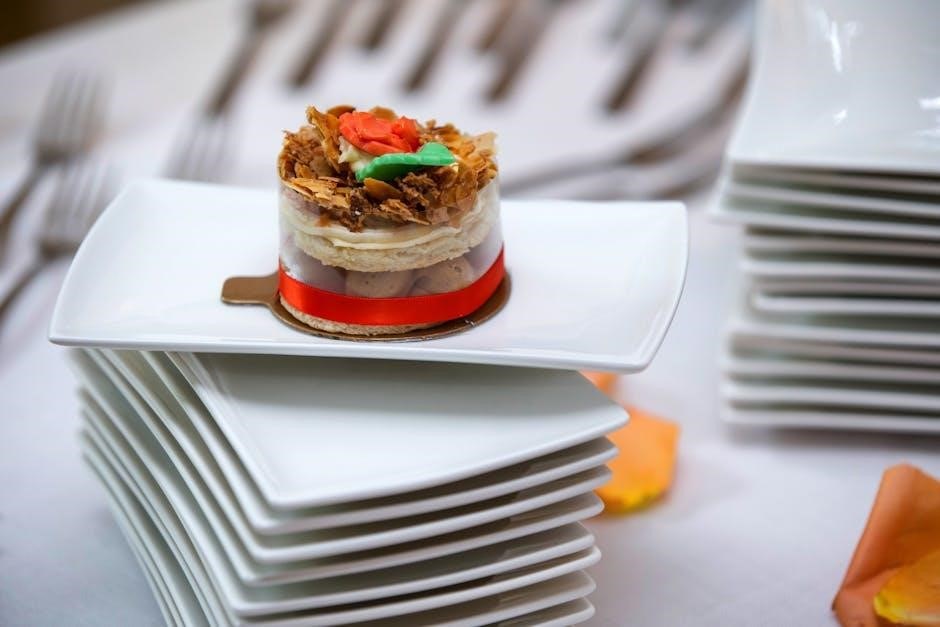
Balancing cake quantity is crucial. Overestimating results in substantial leftover cake‚ a financial loss‚ and potential waste‚ despite generous intentions. Conversely‚ underestimating can leave guests wanting more‚ creating a negative impression at the wedding reception.
Wilton’s serving guides aim to mitigate these risks‚ but accurate guest counts and consideration of appetites are vital. It’s often wiser to slightly err on the side of abundance‚ but avoid excessive overproduction.
Reddit discussions suggest a “heavy pinch of salt” approach to Wilton’s figures‚ emphasizing that real-world serving sizes can differ. Careful planning‚ factoring in dessert options‚ and realistic expectations are key to achieving the right balance.
Ignoring Cake Height in Serving Calculations
A common mistake when estimating wedding cake servings is neglecting cake height. Wilton’s charts often base calculations on standard cake layers‚ but taller cakes yield significantly more servings than anticipated with a flat calculation.
Reddit users highlight this issue‚ noting Wilton suggests the same slice size regardless of cake height – a 3-inch versus a 6-inch cake. This is unrealistic; a thinner slice is expected from a taller cake.
Accurate serving estimations require adjusting for height. Multiply the base serving count by a factor reflecting the cake’s increased layers. Failing to do so leads to underestimation and potentially insufficient cake for all guests.
Not Considering Dessert Alternatives
When planning a wedding‚ couples often offer a variety of desserts alongside the cake – cookies‚ pastries‚ or a dessert bar. Wilton’s serving guides primarily focus on cake portions‚ and failing to account for these alternatives can lead to overestimating cake needs.
If guests have ample dessert choices‚ they’ll likely consume smaller cake slices‚ or skip cake altogether. Accurately gauging guest preferences is crucial. A generous cake intended for everyone might result in substantial leftovers.
Consider the overall dessert spread and adjust cake servings accordingly. A smaller‚ beautifully decorated cake paired with diverse options can be more appealing and reduce waste‚ optimizing your budget and planning.
Resources: Wilton’s Official Serving Charts
Wilton provides readily accessible‚ official serving charts as a cornerstone resource for accurate cake planning. These charts detail serving yields based on pan size and cake height‚ crucial for estimating batter and icing requirements.
You can find the latest versions of Wilton’s serving guides directly on their website‚ ensuring you’re using the most up-to-date information. These charts cover round‚ square‚ and sheet cakes‚ as well as guidance for tiered designs.
Additionally‚ Wilton’s baking blog offers supplementary tips and insights‚ while online forums like Reddit provide user feedback and real-world experiences with Wilton’s serving size recommendations. Utilizing these resources collectively ensures a well-planned and perfectly portioned wedding cake.
Where to Find Wilton’s Latest Serving Guides Online
Wilton’s official website is the primary hub for accessing their most current cake serving charts. Navigate to the “Cake Decorating” or “Baking Resources” sections to locate downloadable guides covering various pan shapes and tiered cake configurations.
Furthermore‚ Wilton’s baking blog (Wilton’s Baking Blog) frequently features articles referencing serving sizes and linking to relevant charts. These blog posts often provide practical application examples.
For community-based insights‚ explore discussions on platforms like Reddit (r/cakedecorating)‚ where bakers share experiences and interpretations of Wilton’s guidelines. Remember to cross-reference information and prioritize official Wilton resources for accuracy.
Utilizing Wilton’s Baking Blog for Additional Tips
Wilton’s Baking Blog (Wilton’s Baking Blog) extends beyond serving charts‚ offering invaluable tips for successful wedding cake creation. Articles detail proper pan filling – typically ½ to ⅔ full‚ with 3-inch deep pans requiring only ½ full – to ensure even baking and accurate serving estimations.
The blog provides guidance on buttercream quantities needed for decoration‚ crucial for calculating overall cake costs and preventing shortages. It emphasizes the importance of considering cake density; denser cakes yield fewer servings.
Moreover‚ the blog features tutorials on cutting techniques‚ including the traditional “wedding cut” versus standard slices‚ impacting the final serving yield. Regularly checking the blog unlocks a wealth of practical advice to complement Wilton’s serving guides.
Reddit Discussions on Wilton Serving Sizes ‒ User Feedback
Reddit’s r/cakedecorating (Reddit Discussion) reveals a nuanced perspective on Wilton’s serving size guidelines. Users suggest taking Wilton’s recommendations “with a heavy pinch of salt‚” highlighting discrepancies between suggested portion sizes and realistic expectations.
A common critique centers on the assumption of uniform slice sizes regardless of cake height; many believe thinner slices are preferable for taller cakes. Discussions emphasize erring on the side of plentiful servings‚ particularly for weddings‚ to avoid running out of cake.
Experienced bakers on Reddit advocate for adjusting serving sizes based on guest demographics and dessert options‚ demonstrating that Wilton’s charts serve as a starting point‚ not a definitive rule.