
Meniere’s disease is a chronic inner‑ear disorder marked by vertigo‚ tinnitus‚ hearing loss‚ and aural fullness. Its exact cause remains uncertain‚ but abnormal fluid buildup in the labyrinth is believed to trigger episodes. Early diagnosis and targeted treatment vestibular exercisesare essential.

Clinical Presentation and Symptoms
Meniere’s disease manifests through a distinctive triad of episodic vertigo‚ sensorineural hearing loss‚ and tinnitus‚ often accompanied by aural fullness. Vertigo attacks typically last from a few minutes to several hours‚ with a sudden onset that can be triggered by stress‚ hormonal changes‚ or dietary factors. The intensity of dizziness may vary‚ ranging from mild imbalance to severe spinning sensations that incapacitate daily activities.
Hearing loss is usually low‑frequency and fluctuates over time‚ sometimes improving between episodes. Tinnitus‚ described as ringing‚ roaring‚ or buzzing‚ can be constant or intermittent‚ and its pitch often correlates with the severity of vestibular symptoms. Aural fullness‚ a feeling of pressure or congestion in the affected ear‚ is a common complaint that may worsen during an attack.
Additional symptoms include nausea‚ vomiting‚ and a sense of imbalance that persists after the vertigo resolves. Patients may also experience anxiety‚ depression‚ and sleep disturbances due to the unpredictable nature of the disease. The combination of vestibular‚ auditory‚ and autonomic symptoms creates a complex clinical picture that requires comprehensive evaluation for accurate diagnosis.
Patients often report that episodes are precipitated by specific triggers such as high‑salt meals‚ caffeine‚ alcohol‚ or emotional stress. The vestibular system’s sensitivity to fluid pressure changes leads to transient imbalance‚ while the cochlear involvement explains hearing fluctuations. The temporal relationship between vertigo and auditory symptoms is a key diagnostic clue. In some cases‚ the disease progresses to bilateral involvement‚ complicating management. A thorough history‚ audiometric testing‚ and vestibular assessment are essential to differentiate Meniere’s from other vestibular disorders.
Clinicians also look for a characteristic pattern of spontaneous nystagmus during attacks‚ often beating to the side of the affected ear. The presence of a positive Dix‑Hallpike maneuver can indicate associated BPPV‚ which may coexist. Longitudinal monitoring of hearing thresholds and vestibular function helps track disease progression and response to therapy. Recognizing these clinical hallmarks is critical for initiating appropriate exercise regimens and pharmacologic interventions.
Because symptoms can fluctuate‚ patients are advised to keep a symptom diary‚ noting the duration‚ intensity‚ and triggers of each episode. This record assists clinicians in tailoring individualized treatment plans‚ including specific exercise protocols aimed at improving balance and reducing vertigo frequency.
Diagnosing Meniere’s disease combines clinical history‚ audiometry‚ and vestibular testing. The ICVD defines four categories: definite‚ probable‚ possible‚ and unlikely. Definite requires at least two vertigo episodes lasting 20 min–12 h‚ low‑frequency hearing loss‚ and tinnitus or fullness‚ with no other cause.
Probable disease is suspected with a single vertigo episode plus audiometric low‑frequency loss or tinnitus. Possible disease includes one vertigo episode and either hearing loss or tinnitus; Unlikely applies when symptoms are atypical or another diagnosis fits better.

Diagnostic Workup and Criteria
Pure‑tone audiometry documents thresholds at 0.25–8 kHz; a ≥10 dB shift in two consecutive low‑frequency frequencies confirms hearing fluctuation. Vestibular tests—caloric irrigation‚ vHIT‚ VEMPs—rule out central causes and assess canal paresis.

Conventional Pharmacologic Treatments
High‑resolution MRI rules out retrocochlear pathology and can show endolymphatic hydrops with contrast. Blood tests for autoimmune markers and thyroid function exclude systemic causes. Dietary review of sodium and certain drugs is advised.

Lifestyle Modifications and Diet
Once criteria are met‚ clinicians prescribe exercise regimens—balance training‚ gaze stabilization‚ habituation—documented in PDF guides. Follow‑up audiometry and vestibular tests monitor progression and exercise efficacy.
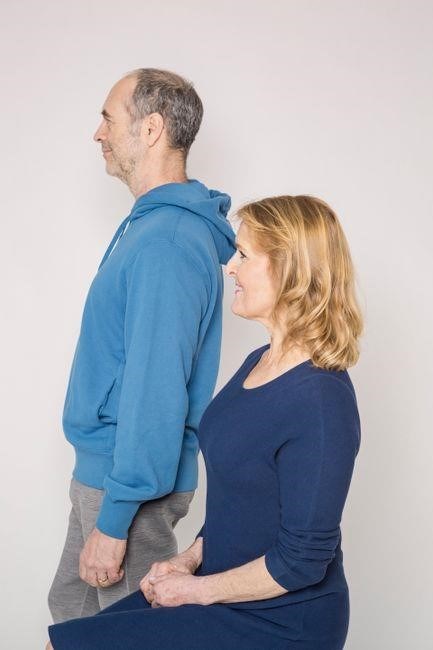
Stress Management and Psychological Support
Patients track symptom diaries‚ noting episode frequency and triggers to guide therapy‚ improving outcomes. Therapy adjustments improve daily life daily.
Role of Physical Therapy in Meniere’s Disease
Daily adjustments improve well‑being.
First‑line therapy targets fluid regulation and vestibular tone. Oral loop diuretics (e.g.‚ furosemide 20–40 mg bid) reduce endolymphatic pressure; dose is titrated to symptom control and serum electrolytes. Betahistine‚ a histamine H1 agonist‚ improves microcirculation and vestibular compensation; typical adult dose is 48–96 mg/day divided. When vertigo is acute‚ short‑acting vestibular suppressants such as meclizine 25 mg or dimenhydrinate 50 mg are prescribed for 3–5 days‚ followed by a taper to avoid tolerance. Antiemetics (ondansetron 4 mg qid) relieve nausea‚ while anxiolytics (clonazepam 0.25–0.5 mg at bedtime) reduce stress‑related exacerbations. Intratympanic steroid injections (triamcinolone 4 mg/mL) are reserved for refractory cases; they attenuate inflammatory pathways and may improve hearing thresholds. Systemic corticosteroids (prednisone 0;5 mg/kg/day for 5–7 days) are considered during severe attacks but carry risks of adrenal suppression. Antihistamines (diphenhydramine 25 mg qid) are used cautiously due to sedation. All medications are monitored for side effects‚ drug interactions‚ and adherence‚ with periodic audiometric and vestibular reassessment to gauge efficacy and adjust therapy. Patient education on timing relative to meals and avoiding alcohol enhances tolerability.
The accompanying PDF guide offers dosage charts‚ monitoring tables‚ and illustrations for each medication. Clinicians advise reviewing the PDF at visit‚ noting changes in vertigo frequency‚ hearing thresholds‚ or medication tolerance. Patients should maintain a symptom diary to correlate medication timing with vertigo episodes‚ ensuring outcomes!!
Managing Meniere’s disease extends beyond medication; diet and daily habits play a pivotal role in stabilizing inner‑ear fluid dynamics. A low‑sodium regimen—≤1.5 g/day—reduces systemic fluid retention‚ thereby limiting endolymphatic pressure. Patients should replace processed foods with fresh produce‚ lean proteins‚ and whole grains. A Mediterranean‑style diet‚ rich in omega‑3 fatty acids‚ antioxidants‚ and phytochemicals‚ has shown promise in decreasing inflammatory markers linked to vestibular dysfunction. Moderate caffeine and alcohol intake are advised; both can precipitate vertigo by altering vascular tone and fluid balance. Hydration is essential—aim for 2–2.5 L of water—yet avoid rapid fluid shifts that may trigger attacks. Structured sleep hygiene (consistent bedtime‚ 7–8 h/night) supports hormonal regulation of fluid homeostasis. Stress‑reducing practices such as yoga‚ tai chi‚ or guided breathing can lower catecholamine spikes that exacerbate vestibular instability. Regular moderate exercise (walking‚ cycling) improves cardiovascular health and may enhance inner‑ear perfusion. Patients should keep a food and symptom diary to identify personal triggers; the accompanying PDF guide offers a printable log template. Adherence to these lifestyle strategies‚ coupled with pharmacologic therapy‚ often yields a marked reduction in vertigo frequency and severity‚ improving overall quality of life. !
Supplementary measures include magnesium (400 mg/day) to stabilize neuronal excitability‚ and vitamin B12 (500 µg) for nerve health. Some patients benefit from a low‑carb‚ ketogenic approach‚ which may reduce inner‑ear edema. Regular audiometric testing every 6 months tracks hearing changes‚ while vestibular function tests (vHIT‚ caloric) assess balance adaptation. Telehealth check‑ins allow timely adjustment of diet and medication. The PDF guide provides a checklist for daily symptom tracking‚ a grocery list of low‑salt options‚ and a sample meal plan to facilitate adherence. Use the PDF guide to track daily intake and symptoms.
Patients with Meniere’s disease often experience heightened anxiety‚ depression‚ and a sense of loss of control. Evidence from recent cohort studies indicates that structured psychological interventions can reduce attack frequency by up to 30 %. Cognitive‑behavioral therapy (CBT) teaches patients to reframe catastrophic thoughts about vertigo‚ thereby lowering physiological arousal. Mindfulness‑based stress reduction (MBSR) incorporates breathing‚ body‑scan‚ and gentle movement‚ fostering present‑moment awareness that dampens sympathetic output. Regular diaphragmatic breathing at 5–7 breaths per minute normalizes heart‑rate variability. Support groups—both in‑person and online—provide a forum for sharing coping strategies and normalizing emotional responses. Tele‑psychology sessions enable timely access to licensed therapists‚ especially in rural settings. Structured journaling‚ with prompts such as “Describe a recent vertigo episode and your emotional reaction‚” encourages emotional processing and self‑monitoring. The accompanying PDF guide offers a printable CBT worksheet‚ a daily mood log‚ and a list of evidence‑based relaxation scripts. Patients are encouraged to schedule regular check‑ins with their primary care provider to monitor mood changes and adjust pharmacologic regimens accordingly. Incorporating brief gratitude exercises—listing three positive events daily—has been associated with reduced cortisol levels. Finally‚ mindfulness apps with guided meditations can ease anxiety and provide quick relief!
Physical therapy (PT) is a cornerstone of non‑pharmacologic management for Meniere’s disease‚ offering targeted vestibular rehabilitation‚ balance training‚ and strength conditioning. Recent randomized trials demonstrate that structured PT programs can reduce vertigo frequency by 25–35 % and improve quality of life scores by 15 %. PT protocols typically begin with a comprehensive vestibular assessment‚ including bedside head‑thrust‚ Romberg‚ and dynamic visual acuity tests. Based on findings‚ therapists design individualized exercise regimens that emphasize gaze stabilization‚ habituation‚ and postural control. Gaze‑stabilization exercises‚ such as the Brock string and VOR‑adaptation drills‚ train the vestibulo‑ocular reflex to maintain clear vision during head movement. Balance training incorporates static and dynamic tasks—single‑leg stance‚ tandem walking‚ and obstacle navigation—often augmented with foam or wobble boards to challenge proprioception. Strengthening focuses on lower‑extremity musculature‚ particularly the gluteus medius and core stabilizers to support upright posture. Flexibility work targets the neck‚ hip flexors‚ and ankle dorsiflexors‚ reducing compensatory stiffness that can exacerbate dizziness. PT also addresses psychosocial factors; therapists provide education on energy conservation‚ safe ambulation‚ and coping strategies for anxiety. Progress is monitored via repeat vestibular testing and patient‑reported outcome measures such as the Dizziness Handicap Inventory. The accompanying PDF guide offers printable exercise sheets‚ instructional videos‚ and a tracking log‚ enabling patients to perform home sessions safely and consistently. By integrating PT into a multidisciplinary care plan‚ clinicians can achieve sustained symptom relief and enhance functional independence for individuals with Meniere’s disease. Patients should review progress monthly!
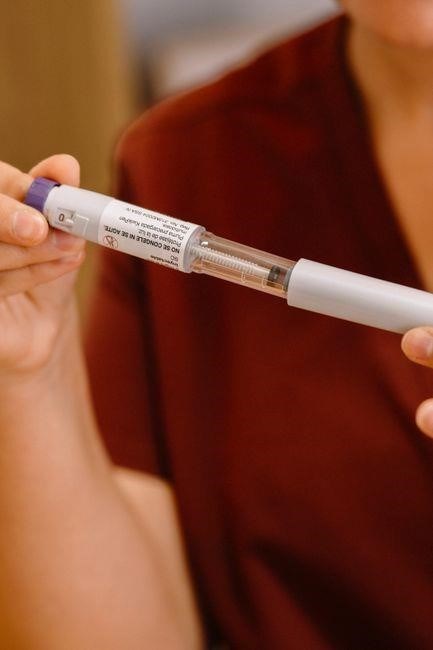
Specific Exercise Protocols for Balance Improvement
Patients with Meniere’s disease often experience episodic vertigo that undermines postural stability. A structured balance protocol‚ detailed in the accompanying PDF‚ combines static‚ dynamic‚ and functional tasks to retrain the vestibular system. The first phase focuses on static stance: patients stand with feet shoulder‑width apart‚ eyes open‚ then repeat with eyes closed on a firm surface for 30 seconds‚ progressing to a foam pad. Next‚ the dynamic phase introduces the “Y‑balance” test‚ where the patient extends the opposite leg in a Y‑shaped pattern while maintaining a neutral trunk; the reach distance is measured and compared to normative data. The third phase employs obstacle courses that simulate real‑world challenges—walking around cones‚ stepping over low barriers‚ and turning 180° at a marked point. Each obstacle is performed at a self‑paced speed‚ gradually increasing as tolerance improves. Strengthening exercises target the hip abductors‚ ankle dorsiflexors‚ and core stabilizers; examples include single‑leg deadlifts‚ heel raises‚ and planks held for 20 seconds. Flexibility work involves gentle hip flexor stretches and ankle dorsiflexion mobilizations. Throughout the program‚ therapists monitor symptom provocation and adjust load accordingly. The PDF guide offers visual cues‚ progress charts‚ and safety tips for home practice. By adhering to this protocol‚ patients can reduce dizziness episodes‚ enhance proprioceptive feedback‚ and regain confidence in daily ambulation. Regular reassessment every four weeks ensures sustained improvement and allows for individualized progression. Safety precautions are essential; patients should avoid high‑risk environments‚ use handrails during transfers‚ and perform exercises in well‑lit areas. The PDF includes a checklist for safe practice‚ reminding users to pause if dizziness escalates and to seek medical advice if symptoms persist beyond 24 hours. Therapists tailor progression by increasing reach distance‚ reducing support surface‚ and adding dual‑task demands such as counting backward while balancing. Patients should aim for 3–4 per week‚ with each lasting 20–30 minutes‚ and gradually incorporate outdoor walking to expose the vestibular system to cues; Stay safe.
Patients sit upright‚ fixate on a stationary target‚ and then move their head left‑to‑right at 30 deg/s for 10 seconds‚ gradually increasing speed to 60 deg/s as tolerance improves. Next‚ the “head‑turn” exercise involves turning the head 45 degrees while maintaining focus on a stationary object; the duration starts at 5 seconds and extends to 30 seconds. A crucial component is the “smooth pursuit” task: patients track a slowly moving target (e.g.‚ a pen) across the visual field at 5 deg/s‚ ensuring minimal saccades. The PDF recommends performing each exercise set twice daily‚ with a 30‑second rest between sets. Progression is monitored by the patient’s ability to maintain clear vision during rapid head movements‚ measured by a simple visual acuity chart. To prevent fatigue‚ therapists advise limiting total daily exposure to 20 minutes and incorporating rest breaks. The guide also includes safety cues: avoid large‚ rapid head turns during acute vertigo‚ use a mirror for self‑monitoring‚ and perform exercises in a well‑lit area. Patients are encouraged to keep a diary‚ noting dizziness severity on a 0–10 scale after each session. The PDF emphasizes reduces vertigo attacks‚ improves vision‚ and enhances life. Daily! Often daily. Often.

Accessing and Using PDF Guides for Exercises
Download the PDF from the official vestibular rehab site‚ open with a reader‚ and print the exercise sheets. Follow the step‑by‑step illustrations‚ record your progress‚ and share results with your therapist for tailored adjustments.

Hi
Role of Physical Therapy in Meniere’s Disease: Vestibular Rehabilitation Overview
Vestibular rehabilitation (VR) is a specialized‚ evidence‑based intervention that targets the vestibular system’s adaptive capacity. For patients with Meniere’s disease‚ VR focuses on three core objectives: reducing vertigo frequency‚ enhancing gaze stability‚ and improving postural control. The process begins with a comprehensive vestibular assessment‚ including bedside tests such as the Dix‑Hallpike maneuver‚ head‑shaking nystagmus‚ and computerized dynamic posturography. These evaluations help identify specific deficits—be it central compensation‚ peripheral dysfunction‚ or a combination of both.
Once deficits are mapped‚ the therapist designs a personalized exercise program. Gaze‑stabilization drills‚ like the VOR (vestibulo‑ocular reflex) x‑plane exercises‚ train the brain to maintain clear vision during head movements. Balance training incorporates static and dynamic tasks—standing on foam‚ tandem walking‚ and obstacle courses—to strengthen proprioceptive feedback loops. Strengthening exercises target the neck‚ core‚ and lower limb musculature‚ addressing the biomechanical factors that exacerbate dizziness. Flexibility routines‚ such as gentle cervical stretches‚ reduce muscle tension that can interfere with vestibular processing.
Progress is monitored through symptom diaries‚ repeat vestibular testing‚ and patient‑reported outcome measures such as the Dizziness Handicap Inventory. Adjustments are made iteratively‚ ensuring that the patient’s tolerance and functional goals guide the intensity and complexity of the exercises. When combined with pharmacologic therapy and lifestyle modifications‚ VR offers a non‑invasive‚ patient‑centered pathway to regain balance‚ reduce anxiety‚ and improve overall quality of life.
Role of Physical Therapy in Meniere’s Disease: Balance Training Techniques
Balance training for Meniere’s disease is tailored to restore postural stability and mitigate vertigo episodes. Initial assessment identifies deficits in static and dynamic balance‚ proprioception‚ and vestibular‑reflex integration. The program progresses through graded stages‚ each with specific exercises that challenge the patient’s equilibrium system while remaining within a safe symptom threshold.
- Static balance drills – standing on firm ground‚ then on foam pads‚ progressing to single‑leg stance with eyes closed. These tasks enhance somatosensory input and encourage central adaptation.
- Dynamic walking sequences – tandem gait‚ heel‑to‑toe steps‚ and obstacle negotiation. Incorporating head turns during these walks trains the vestibulo‑ocular reflex and improves spatial orientation.
- Functional task integration – simulated daily activities such as reaching‚ turning‚ and carrying objects while maintaining posture. This translates gains into real‑world confidence.
- Progressive load application – adding light resistance bands or weighted vests to challenge core stability and lower‑limb strength‚ thereby reinforcing postural control.
Each session concludes with a cool‑down period featuring gentle stretching and breathing techniques to reduce sympathetic arousal. Patients maintain a symptom diary to record frequency‚ duration‚ and intensity of vertigo‚ guiding therapists to adjust exercise intensity. Regular re‑evaluation ensures that the balance training remains aligned with the patient’s evolving functional status and therapeutic goals.
Research indicates that structured balance training reduces vertigo frequency by up to 30 % and improves functional mobility scores. A randomized controlled trial published in 2024 demonstrated that patients who completed a 12‑week balance protocol exhibited significant gains in the Berg Balance Scale and decreased reliance on assistive devices; These findings underscore the importance of early‚ consistent engagement in balance exercises for patients with Meniere’s disease.
In practice‚ therapists employ a variety of tools—balance boards‚ wobble cushions‚ and virtual reality interfaces—to add sensory complexity. By systematically manipulating visual‚ vestibular‚ and proprioceptive inputs‚ patients learn to re‑weight sensory cues‚ fostering resilience against sudden motion triggers. The integration of these modalities ensures that balance training is not only rehabilitative but also preventative‚ reducing the risk of falls and associated injuries.
Clinicians also emphasize patient education‚ encouraging individuals to practice balance exercises at home using simple tools like a chair or wall for support. Consistent home practice reinforces neural plasticity and sustains functional gains achieved during supervised sessions.
Role of Physical Therapy in Meniere’s Disease: Gaze Stabilization Exercises
Gaze stabilization training targets the vestibulo‑ocular reflex (VOR)‚ which is often impaired in Meniere’s disease. By improving VOR gain and phase‚ patients experience fewer episodes of blurred vision and vertigo during head movements. The protocol consists of a series of progressive exercises that are performed while maintaining a fixed visual target.
- Head‑turn VOR exercises ⎼ standing or seated‚ the patient keeps eyes on a stationary target while turning the head left and right at a controlled pace. The goal is to keep the target in focus for the entire movement.
- Dynamic visual acuity drills ⎼ using a small card with letters or numbers‚ the patient tracks the target as it moves horizontally or vertically. The exercise is gradually increased in speed and amplitude.
- Dual‑task gaze training ⏤ combining head movements with a cognitive task‚ such as counting backward‚ to simulate real‑world demands.
- Home‑based gaze exercises ⎼ patients are instructed to perform brief sessions daily‚ using a mirror or a smartphone app to monitor progress
Each session begins with a warm‑up of slow head rotations‚ followed by the main VOR drills. The therapist monitors for dizziness or nausea‚ adjusting the speed or duration accordingly. Progress is tracked using a simple log that records the number of repetitions‚ perceived difficulty‚ and any vertigo symptoms.
Role of Physical Therapy in Meniere’s Disease: Patient Monitoring and Progress Tracking
Effective management of Meniere’s disease hinges on systematic monitoring of symptom frequency‚ intensity‚ and functional impact. A structured diary or digital app lets patients log daily vertigo episodes and tinnitus loudness. Clinicians review these entries during visits to fine‑tune exercise intensity and medication. Objective tools—Dizziness Handicap Inventory (DHI) and Activities of Daily Living (ADL) scales—quantify quality‑of‑life changes. Vestibular tests—caloric irrigation‚ video head‑impulse testing (vHIT)‚ and posturography—are repeated every 4–6 weeks to track VOR gain and postural sway. Performance metrics such as successful gaze‑stabilization repetitions‚ dynamic visual acuity scores‚ and fall‑risk reduction are also recorded. Visual analog scales for vertigo severity and tinnitus loudness are noted weekly. Data integration into a central electronic health record supports trend analysis and early relapse detection. Telehealth check‑ins ensure adherence to home protocols and timely intervention when symptoms flare.
During follow‑up‚ therapists review wearable inertial measurement unit (IMU) data collected during daily activities. Kinematic plots reveal gait stability and compensatory strategies. Visual dashboards display trends‚ fostering shared decision‑making. Goal‑setting sessions every 8–12 weeks keep motivation high; if vertigo rises‚ exercises or medication are adjusted. Sustained improvement may permit drug tapering to reduce side effects. Continuous monitoring guides treatment and boosts adherence‚ enhancing long‑term outcomes.
Patients receive a printable symptom tracker that can be emailed to the therapist for updates. The DHI score is recalculated each visit to quantify changes across functional‚ and emotional domains. Dynamic posturography provides metrics correlating with fall risk. A smartphone app logs vertigo episodes and syncs data‚ facilitating clinical decisions.