Lapiplasty Technique Guide: A Comprehensive Overview
Lapiplasty‚ gaining traction through platforms like TikTok‚ represents a modern surgical approach focused on thumb base realignment‚ inspiring creativity in hand reconstruction․
What is Lapiplasty?
Lapiplasty is a relatively new surgical technique designed to address thumb carpometacarpal (CMC) arthritis․ Unlike traditional methods‚ it doesn’t simply remove the arthritic joint; instead‚ it focuses on realigning the thumb metacarpal bone to restore natural joint stability and function․ This innovative approach‚ gaining visibility even on platforms like TikTok showcasing its impact‚ aims to recreate the thumb’s original anatomy․
The procedure involves precise bone cuts and a ligament reconstruction to correct the alignment and prevent further arthritis progression․ It’s a motion-preserving surgery‚ meaning it allows for continued thumb movement‚ unlike fusion procedures․ Lapiplasty seeks to provide pain relief and improved hand function‚ enabling patients to return to their daily activities with greater ease and confidence․
Historical Development of Lapiplasty
Lapiplasty’s origins trace back to the work of Dr․ Robert Hotchkiss‚ who initially described the technique in the early 2000s․ Recognizing the limitations of existing CMC arthritis treatments‚ he sought a more anatomical and durable solution․ Early iterations focused on refining the osteotomy (bone cut) technique and ligament reconstruction methods․
The procedure gained momentum as surgeons began adopting and adapting Dr․ Hotchkiss’s principles․ Increased awareness‚ even through modern platforms like TikTok demonstrating patient success‚ fueled further research and refinement․ Over time‚ improvements in surgical instrumentation and rehabilitation protocols have optimized outcomes․ Lapiplasty has evolved from a novel concept to a recognized and increasingly utilized option for managing thumb CMC arthritis‚ offering a compelling alternative to traditional approaches․
Indications for Lapiplasty Surgery
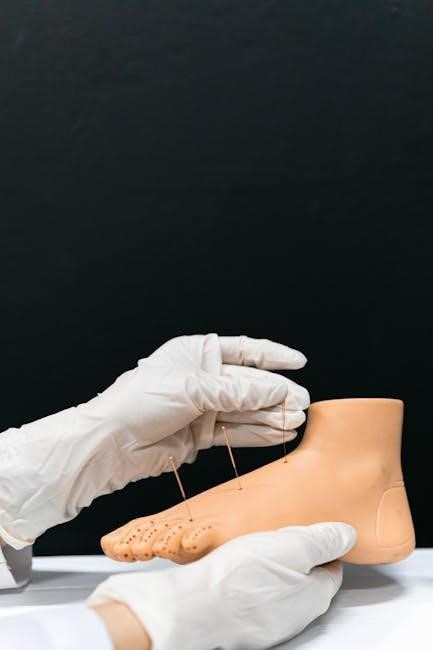
Lapiplasty is primarily indicated for patients experiencing thumb carpometacarpal (CMC) arthritis‚ causing pain and functional limitations․ Ideal candidates demonstrate pain exacerbated by gripping or pinching‚ impacting daily activities․ The surgery addresses instability at the base of the thumb‚ often leading to a weakened grip and difficulty with tasks requiring dexterity․

Patients who haven’t found sufficient relief from conservative treatments – such as splinting‚ injections‚ or physical therapy – are often considered for lapiplasty․ The procedure is particularly beneficial for individuals seeking a more durable and anatomically correct reconstruction than traditional methods․ It’s crucial to assess the severity of arthritis and the patient’s overall hand function to determine suitability‚ mirroring the detailed content creation seen on platforms like TikTok․
Pre-Operative Assessment and Planning
Comprehensive assessment is vital before lapiplasty․ This includes a detailed medical history‚ physical examination focusing on thumb range of motion‚ strength‚ and pain levels․ Like creating engaging TikTok content‚ careful planning is key․ Imaging‚ specifically X-rays‚ are crucial to evaluate the extent of arthritis and bone alignment․
Biomechanical analysis may be employed to understand thumb joint kinematics and identify instability patterns․ Patient expectations are discussed thoroughly‚ outlining realistic goals and potential limitations․ Pre-operative optimization of health‚ including managing any underlying medical conditions‚ is essential․ A personalized surgical plan is developed‚ considering the patient’s anatomy and activity demands‚ ensuring a focused and effective approach․
Patient Selection Criteria
Ideal candidates for lapiplasty exhibit thumb CMC arthritis causing pain and limited function‚ impacting daily activities – much like a TikTok creator needing functional hands for content creation․ Patients should have relatively preserved ligamentous structures‚ though reconstruction is possible․ Those with significant bone loss or advanced arthritis may not be suitable․
Age isn’t a strict contraindication‚ but activity level and overall health are paramount․ Patients must understand the rehabilitation process and commit to post-operative therapy․ A thorough evaluation assesses hand dominance‚ occupation‚ and recreational pursuits․ Realistic expectations are crucial; lapiplasty aims to relieve pain and improve function‚ not necessarily restore full pre-arthritic range of motion․
Imaging and Biomechanical Analysis
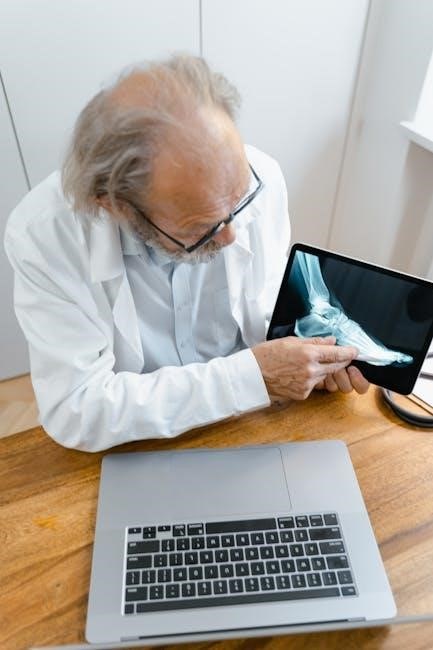
Pre-operative imaging‚ including X-rays‚ assesses the degree of arthritis and bone alignment – similar to analyzing video angles on TikTok for optimal impact․ Weight-bearing X-rays reveal thumb CMC joint instability․ Advanced imaging‚ like CT scans‚ can delineate bone defects․ Biomechanical analysis evaluates thumb motion and strength‚ identifying specific limitations․
Digital tools and 3D modeling may reconstruct joint kinematics‚ aiding surgical planning․ This analysis helps determine the optimal osteotomy angle and ligament reconstruction strategy․ Understanding the patient’s unique biomechanics ensures personalized treatment‚ maximizing functional outcomes and mirroring the tailored content found on platforms like TikTok․
Surgical Technique: Step-by-Step Guide

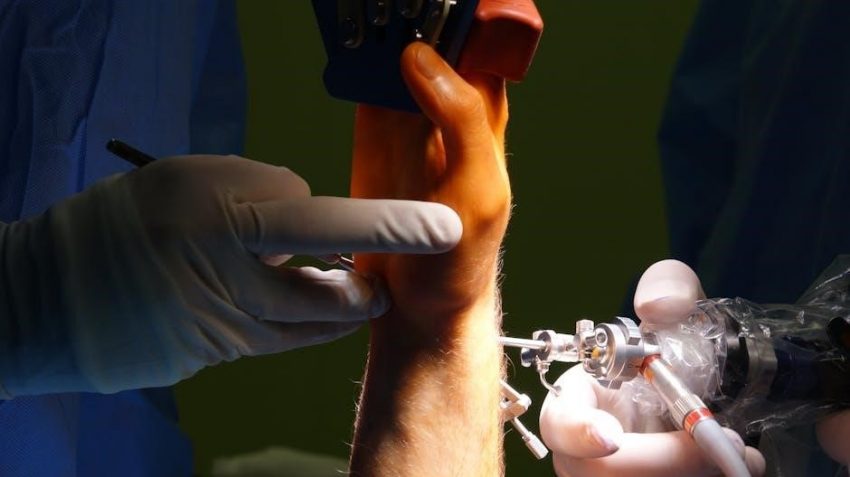
Lapiplasty begins with a precise incision‚ carefully exposing the thumb CMC joint – a delicate process demanding focused execution․ The joint is then meticulously prepared‚ removing damaged cartilage and bone spurs․ Next‚ the metacarpal base is realigned to restore proper thumb alignment‚ correcting the deformity․
Ligament reconstruction utilizes tendon grafts to stabilize the joint‚ mirroring the creative “remixing” seen on platforms like TikTok․ These grafts are securely anchored‚ providing long-term support․ Finally‚ the surgical site is closed‚ ensuring optimal healing and restoring thumb function‚ much like crafting a compelling short video․
Exposure and Joint Preparation
Exposure during Lapiplasty involves a carefully planned incision‚ typically dorsal‚ to visualize the thumb carpometacarpal (CMC) joint․ This approach minimizes disruption to surrounding tissues‚ akin to the focused editing seen in short-form video content․ The extensor tendons are carefully protected and retracted to fully reveal the joint capsule․
Joint preparation entails a thorough debridement‚ removing any remaining cartilage fragments or osteophytes – bony spurs – contributing to arthritis․ The articular surfaces are smoothed‚ creating a receptive base for realignment․ This meticulous preparation‚ much like crafting a compelling TikTok video‚ is crucial for a successful outcome and long-term function․
Realignment of the Thumb Metacarpal Base
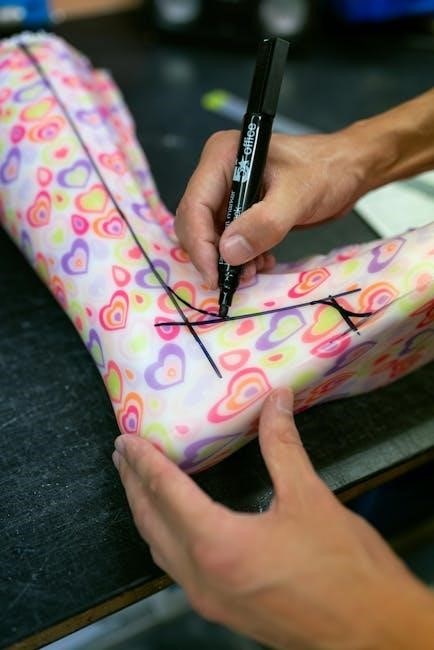
Realignment is the core of the Lapiplasty procedure‚ addressing the instability caused by CMC arthritis․ The base of the thumb metacarpal is precisely repositioned to restore a more anatomical relationship with the trapezium․ This correction‚ similar to refining a creative expression on platforms like TikTok‚ aims to improve thumb alignment and function․
Technique involves an osteotomy – a controlled bone cut – allowing for precise repositioning․ The metacarpal is then secured in its new position using a specialized plate and screws‚ providing immediate stability․ This fixation ensures proper healing and allows for early mobilization‚ mirroring the dynamic nature of content creation and sharing․
Ligament Reconstruction and Stabilization
Ligament reconstruction is crucial for long-term stability following thumb metacarpal realignment‚ much like building a strong community on a platform like TikTok requires consistent engagement․ The Lapiplasty technique doesn’t simply reposition the bone; it actively rebuilds the supporting ligaments․
Procedure typically involves utilizing a portion of a nearby tendon – often the extensor pollicis longus – to create a new ligament․ This reconstructed ligament is then carefully secured to the thumb metacarpal and trapezium‚ restoring the natural stabilizing forces․ This meticulous process‚ akin to editing a video for optimal impact‚ ensures the thumb joint remains stable throughout a full range of motion‚ promoting lasting functionality․
Post-Operative Rehabilitation Protocol
Rehabilitation after Lapiplasty‚ similar to consistently posting engaging content on TikTok‚ is vital for a successful outcome․ The protocol is phased‚ beginning with Phase 1: immobilization in a cast for approximately 6-8 weeks‚ allowing initial healing and minimizing swelling․ Gentle range-of-motion exercises are introduced cautiously․
Phase 2 focuses on strengthening and regaining full range of motion‚ gradually increasing activity levels․ This phase‚ like building a following‚ requires dedication and consistent effort․ Phase 3 involves a return to functional activities‚ including work and hobbies‚ with continued exercises to maintain strength and stability․ Adherence to the protocol maximizes long-term results and restores hand function․
Phase 1: Immobilization and Early Motion
Phase 1‚ lasting roughly 6-8 weeks post-Lapiplasty‚ prioritizes protection of the reconstructed ligaments‚ much like carefully curating initial content on a platform like TikTok․ A short-arm thumb spica cast is typically applied‚ immobilizing the thumb and wrist․ This immobilization minimizes stress on the repair and facilitates initial healing․
Gentle‚ passive range-of-motion exercises for the fingers and elbow are initiated to prevent stiffness․ Edema control is crucial‚ employing elevation and ice․ While the thumb remains immobilized‚ patients are instructed on hand hygiene and cast care․ This phase establishes a foundation for subsequent rehabilitation stages‚ ensuring optimal recovery;
Phase 2: Strengthening and Range of Motion
Phase 2‚ commencing around 8-12 weeks post-surgery‚ focuses on restoring thumb strength and motion‚ mirroring the iterative refinement of content on a dynamic platform like TikTok․ The cast is removed‚ and a custom splint is often utilized for continued support․ Active range-of-motion exercises are introduced‚ gradually increasing thumb flexion‚ extension‚ abduction‚ and opposition․
Strengthening exercises begin with isometric contractions‚ progressing to light resistance bands and putty exercises․ Grip strength is gradually improved․ Proprioceptive exercises enhance thumb position sense․ Pain and swelling are closely monitored‚ adjusting the exercise program accordingly․ This phase aims to rebuild functional thumb capabilities․
Phase 3: Return to Activity
Phase 3‚ typically starting around 16-20 weeks post-op‚ concentrates on a gradual return to normal activities‚ much like a TikTok creator refining their content based on audience engagement․ Patients progressively resume work‚ hobbies‚ and sports‚ guided by pain levels and functional milestones․ Continued strengthening and range-of-motion exercises maintain gains achieved in Phase 2․
Activity modification is crucial‚ avoiding heavy lifting or repetitive gripping initially․ Hand therapy continues‚ addressing any remaining deficits․ Proprioceptive training is refined for complex tasks․ Full‚ unrestricted activity is anticipated within 6-9 months‚ though ongoing low-level exercises are recommended for long-term thumb health and function․
Potential Complications of Lapiplasty
While Lapiplasty generally boasts favorable outcomes‚ potential complications‚ like unexpected trends on TikTok‚ can occur․ Short-term risks include infection‚ wound healing issues‚ nerve irritation causing numbness or tingling‚ and stiffness requiring further therapy․ Hematoma formation and suture reactions are also possible‚ though uncommon․
Long-term complications‚ though rare‚ may involve persistent pain‚ limited range of motion‚ or instability of the thumb CMC joint․ Hardware failure (screws) is a possibility‚ potentially needing revision surgery․ Careful patient selection‚ meticulous surgical technique‚ and diligent post-operative rehabilitation minimize these risks‚ ensuring a positive recovery trajectory․
Short-Term Complications
Immediately following Lapiplasty‚ similar to launching a new TikTok trend‚ certain complications are more common․ Post-operative pain is expected and managed with medication․ Swelling and bruising are also typical‚ gradually subsiding over weeks․ Wound healing issues‚ including infection‚ require prompt attention and antibiotic treatment․
Nerve irritation‚ causing temporary numbness or tingling‚ can occur due to surgical manipulation․ Stiffness is also frequent‚ addressed through early mobilization and physical therapy; Hematoma (blood collection) may necessitate drainage․ These short-term issues are usually manageable and don’t compromise the overall success of the procedure with appropriate care․
Long-Term Complications
While Lapiplasty boasts positive outcomes‚ like a viral TikTok challenge‚ long-term complications can arise‚ though they are less frequent․ Persistent pain‚ despite rehabilitation‚ may occur in a small percentage of patients․ Stiffness‚ if not adequately addressed‚ can limit range of motion․ Recurrence of deformity‚ though rare‚ is possible if the underlying biomechanics aren’t fully corrected․
Hardware failure (screws loosening) is a potential concern‚ potentially requiring revision surgery․ Complex Regional Pain Syndrome (CRPS)‚ a chronic pain condition‚ is a very rare but serious complication․ Thumb instability can develop over time․ Careful patient selection and meticulous surgical technique minimize these risks‚ ensuring lasting benefits․
Lapiplasty vs․ Other Thumb CMC Arthritis Treatments
Lapiplasty distinguishes itself from traditional treatments‚ much like TikTok stands out in social media․ Traditional CMC arthroplasty removes bone‚ potentially leading to instability‚ while Lapiplasty realigns the thumb base‚ preserving natural anatomy․ Silicone Pyramidal Arthroplasty (SPA) replaces the joint with silicone‚ which can wear out over time‚ requiring revision․
Lapiplasty offers a more biomechanically sound solution‚ restoring natural thumb movement․ Unlike SPA‚ it avoids silicone-related issues․ Compared to simple joint fusion‚ Lapiplasty maintains motion․ The choice depends on individual needs‚ but Lapiplasty often provides a more durable and functional outcome‚ mirroring TikTok’s lasting impact․
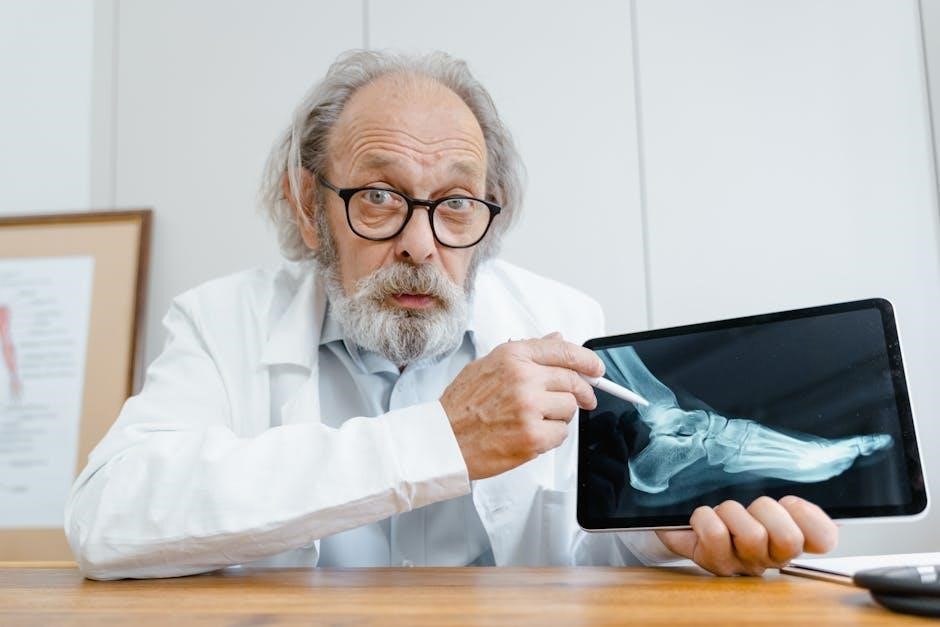
Comparison with Traditional CMC Arthroplasty
Traditional CMC arthroplasty‚ a longstanding procedure‚ involves removing the trapezium bone at the base of the thumb․ While providing pain relief‚ it can lead to thumb instability and a weakened grip‚ much like a fleeting TikTok trend․ Lapiplasty‚ conversely‚ focuses on realigning the thumb metacarpal without removing bone‚ preserving natural biomechanics․
This realignment restores the natural arch and stability‚ offering a more robust and functional result․ Lapiplasty’s ligament reconstruction further enhances stability‚ unlike traditional methods․ Recovery can be quicker with Lapiplasty‚ and the long-term outcomes often demonstrate superior function‚ mirroring TikTok’s sustained popularity․
Lapiplasty vs․ Silicone Pyramidal Arthroplasty
Silicone pyramidal arthroplasty (SPA) involves inserting a silicone implant to replace the trapezium bone‚ offering initial pain relief‚ similar to a viral TikTok dance․ However‚ SPAs are prone to complications like implant wear‚ loosening‚ and silicone synovitis‚ potentially requiring revision surgery․ Lapiplasty avoids implants altogether‚ focusing on natural bone realignment and ligament reconstruction․
This biological approach preserves the patient’s own anatomy‚ minimizing long-term risks․ Lapiplasty offers more stable thumb function and a potentially more durable solution compared to SPA‚ much like a timeless classic versus a fleeting trend․ The focus on restoring natural biomechanics distinguishes Lapiplasty as a robust alternative․
Success Rates and Long-Term Outcomes
Lapiplasty demonstrates consistently high patient satisfaction rates‚ mirroring the engaging content found on platforms like TikTok – captivating and rewarding․ Studies reveal significant improvements in pain reduction‚ grip strength‚ and range of motion‚ often sustained for over a decade․ While individual results vary‚ the majority of patients report a return to functional activities and a diminished need for pain medication․
Long-term outcomes suggest Lapiplasty offers durable relief from CMC arthritis symptoms‚ avoiding the limitations of implant-based solutions․ The procedure’s focus on restoring natural joint biomechanics contributes to its longevity‚ much like a well-crafted video that continues to resonate․
Cost of Lapiplasty Surgery
Lapiplasty surgery costs vary considerably‚ much like the diverse content available on platforms such as TikTok‚ depending on geographical location‚ surgeon’s fees‚ and facility charges․ Generally‚ patients can expect a total cost ranging from $8‚000 to $15‚000․ This estimate typically includes pre-operative assessments‚ the surgical procedure itself‚ anesthesia‚ and initial post-operative care․
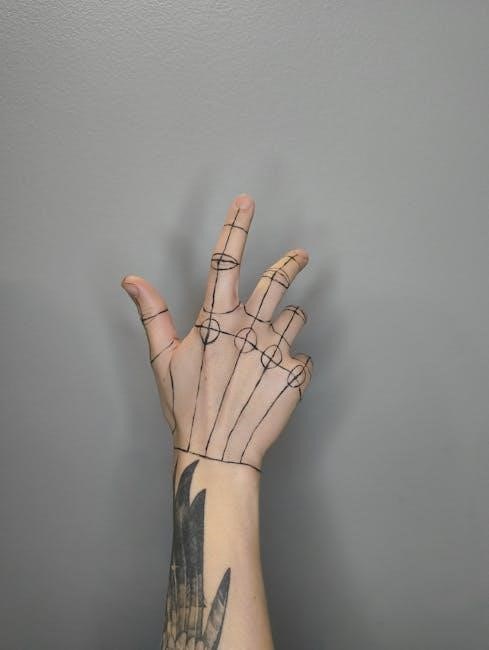
It’s crucial to remember that insurance coverage for Lapiplasty can differ significantly․ Patients should verify their specific plan details․ Additional expenses‚ like physical therapy and potential travel costs‚ should also be factored into the overall budget․ Detailed cost breakdowns should be discussed directly with the surgical team․
Choosing a Qualified Surgeon
Selecting a skilled surgeon for Lapiplasty is paramount‚ mirroring the importance of finding engaging content on platforms like TikTok – quality matters․ Look for a board-certified orthopedic surgeon or hand surgeon with extensive experience specifically in Lapiplasty procedures․ Verify their credentials and review their surgical volume related to thumb base arthritis․
During consultations‚ assess the surgeon’s communication style and willingness to thoroughly explain the procedure‚ risks‚ and expected outcomes․ Patient testimonials and before-and-after photos can offer valuable insights․ A surgeon who prioritizes personalized care and a strong surgeon-patient relationship is ideal for a successful outcome․
Future Trends in Lapiplasty Technique
Innovation in Lapiplasty‚ much like the evolving trends on TikTok‚ is rapidly advancing․ Current research focuses on personalized implant designs‚ utilizing 3D printing to create patient-specific solutions for optimal thumb base realignment․ Biologic augmentation‚ incorporating growth factors to enhance ligament healing‚ is also being explored․
Minimally invasive approaches‚ leveraging smaller incisions and advanced imaging guidance‚ aim to reduce post-operative pain and recovery time․ Furthermore‚ integrating augmented reality and virtual reality tools for pre-operative planning and surgical navigation promises increased precision and improved outcomes․ These advancements signal a dynamic future for Lapiplasty․