
Yealink User Manual: A Comprehensive Guide (Updated 03/09/2026)
This manual provides essential guidance for Yealink phone setup, operation, and troubleshooting, addressing common issues like audio, registration, and display problems․
Yealink is a leading global provider of enterprise communication and collaboration solutions, specializing in VoIP phones, video conferencing systems, and related peripherals․ Their phones are renowned for their reliability, feature-rich capabilities, and cost-effectiveness, making them a popular choice for businesses of all sizes․ This manual serves as a comprehensive resource for understanding and utilizing Yealink phones to their full potential․
Whether you’re a seasoned IT professional or a first-time user, this guide will walk you through the entire lifecycle of a Yealink phone – from initial setup and configuration to advanced features and troubleshooting․ Understanding the core functionalities, such as making and receiving calls, managing contacts, and utilizing speed dial, is crucial for maximizing productivity․ Furthermore, this manual addresses common issues encountered by users, offering practical solutions to ensure a seamless communication experience․
Recent updates, as of March 9th, 2026, reflect ongoing improvements and support adjustments, including a service suspension notice for the Yealink Forum, directing users to the support website or ticket submission system for assistance․
Understanding Yealink Phone Models
Yealink offers a diverse portfolio of IP phones categorized into distinct series, each tailored to specific user needs and deployment scenarios․ The T3 Series represents entry-level options, ideal for basic communication requirements, while the T4 Series provides enhanced features and a more sophisticated user experience․ For advanced users and executives, the T5 Series delivers premium functionalities, including larger touchscreens and integrated video capabilities․
Each series boasts unique characteristics․ For example, the T31G is a popular choice for standard office use, while the T48G offers programmable keys and a color display․ Understanding these distinctions is vital when selecting the appropriate model for your organization․ This manual will focus on common functionalities applicable across most models, but specific features may vary․
Troubleshooting often depends on the specific model; referencing the correct documentation is key․ Recent user reports highlight issues with remote phonebook configurations and barge-in functionality, requiring model-specific adjustments․
Yealink T3 Series: Overview & Features
The Yealink T3 Series represents a cost-effective and reliable entry point into VoIP communication․ Models like the T31G and T32G are designed for users requiring essential call features in a streamlined package․ Key features include HD voice quality, dual Gigabit Ethernet ports for network connectivity, and support for Power over Ethernet (PoE) for simplified deployment․
These phones typically offer a user-friendly interface with a graphical display, programmable keys for frequently used functions, and a dedicated headset port․ While lacking the advanced capabilities of higher-end series, the T3 Series provides robust performance for everyday business communication․
Users have reported occasional issues with remote phonebook display discrepancies, where incorrect names appear when speed dialing․ Ensure correct configuration and firmware updates to mitigate such problems․
Yealink T4 Series: Overview & Features
The Yealink T4 Series builds upon the foundation of the T3 Series, offering enhanced features and a more sophisticated user experience․ Models like the T46G and T48G boast larger, color displays, providing improved visibility and ease of navigation․ These phones support a wider range of functionalities, including Bluetooth connectivity for wireless headsets and USB ports for local call recording and data import/export․
The T4 Series also introduces advanced call management features like call park, call pickup, and broader intercom capabilities․ Users benefit from improved audio quality and enhanced security protocols․ However, some users have encountered barge-in functionality persisting even when disabled, requiring careful configuration․
Regular firmware updates are crucial for optimal performance and to address potential issues․
Yealink T5 Series: Overview & Features
The Yealink T5 Series represents a significant leap forward, delivering a premium user experience with its sleek design and advanced functionalities․ Featuring a vibrant touchscreen display, the T54W and T57W models offer intuitive navigation and access to a wealth of features․ These phones support Wi-Fi connectivity, enabling flexible deployment options and seamless integration with wireless networks․
Beyond the enhanced display and connectivity, the T5 Series introduces features like USB-C connectivity, improved Bluetooth integration, and support for video conferencing with optional camera modules․ Users can enjoy crystal-clear audio quality and benefit from advanced noise reduction technology․
Like other Yealink models, consistent firmware updates are vital for maintaining optimal performance and security․

Initial Setup and Configuration
Proper setup involves unboxing, connecting hardware, powering on, configuring network settings (DHCP or static IP), and provisioning accounts—either manually or automatically․
Unboxing and Hardware Connections
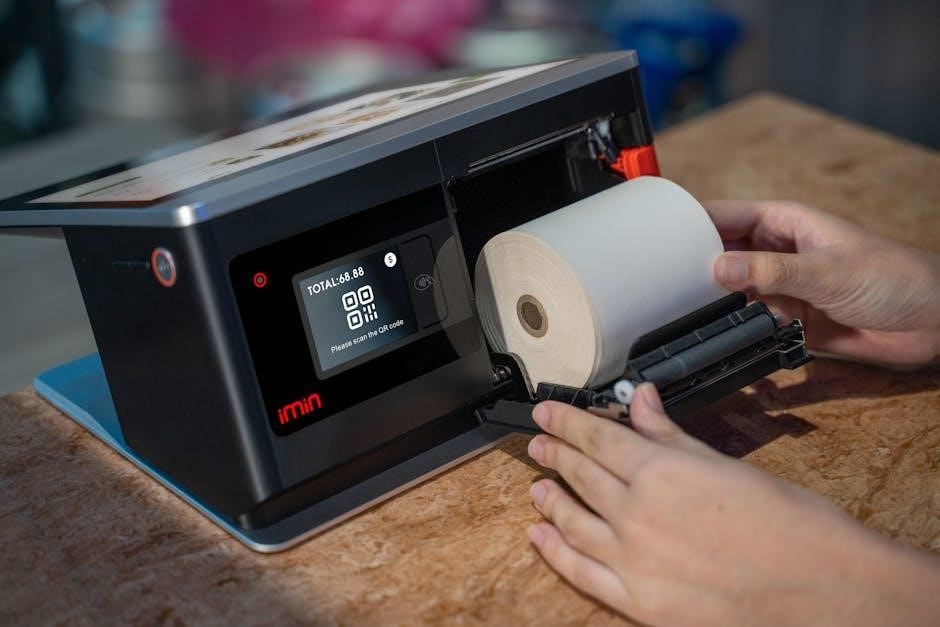
Upon receiving your Yealink phone, carefully unpack the box and verify all components are present․ Typically, this includes the phone itself, a handset, a base, a power adapter, and an Ethernet cable․ Inspect each item for any physical damage that may have occurred during shipping․
To establish a network connection, plug one end of the Ethernet cable into the WAN port on your phone and the other end into an available port on your network switch or router․ If utilizing Power over Ethernet (PoE), a PoE-enabled switch is required; otherwise, connect the provided power adapter to the phone and a suitable power outlet․
Connect the handset to the base of the phone, ensuring a secure connection․ For models with expansion modules, follow the specific instructions included with the module to connect it to the phone’s expansion port․ Double-check all connections before proceeding to the next step to ensure a stable and reliable setup․
Powering On and Initial Boot-Up
Once all hardware connections are verified, power on your Yealink phone․ If using a power adapter, the phone should automatically initiate the boot-up sequence․ With PoE, the phone will power on as soon as the PoE switch provides power․ The initial boot-up process may take several minutes, during which the Yealink logo and a progress indicator will be displayed on the screen․
During the boot-up, the phone performs self-tests and loads the necessary firmware․ Avoid interrupting this process by disconnecting power or network cables․ The phone will eventually display a welcome screen or prompt you to configure network settings if DHCP is not enabled on your network․
Pay attention to any error messages that may appear during boot-up, as these can indicate potential hardware or software issues․ Refer to the troubleshooting section of this manual for guidance on resolving common boot-up problems․
Network Configuration (DHCP & Static IP)
Yealink phones can obtain network settings automatically via DHCP or be configured with a static IP address․ If your network has a DHCP server, the phone will attempt to obtain an IP address, subnet mask, gateway, and DNS server addresses automatically upon boot-up․ This is the recommended configuration for most networks․
To configure a static IP address, access the phone’s settings menu (usually via the phone’s web interface or on-screen navigation)․ You will need to manually enter the IP address, subnet mask, default gateway, and preferred DNS server․ Ensure the static IP address is within your network’s address range and does not conflict with other devices․

Incorrect network settings will prevent the phone from registering with your VoIP service provider․ Verify all settings carefully before saving and rebooting the phone․
Account Provisioning: Manual vs․ Auto-Provisioning
Yealink phones support two primary methods for account configuration: manual provisioning and auto-provisioning․ Manual provisioning involves individually configuring each phone with account details like the SIP server address, username, and password directly through the phone’s interface․ This is suitable for a small number of phones․
Auto-provisioning streamlines the setup process for larger deployments․ It utilizes a provisioning server (often provided by your VoIP service provider) to automatically configure phones with the correct settings upon initial boot-up․ This requires uploading a configuration file to the server and ensuring the phone is pointed to the correct provisioning URL․
Auto-provisioning significantly reduces administrative overhead and ensures consistent configuration across all devices․ Consult your VoIP provider for specific auto-provisioning instructions and configuration file templates․

Basic Phone Operations
This section details fundamental tasks, including making and receiving calls, utilizing call hold/transfer/conference features, and effectively managing your phonebook and speed dials․
Making and Receiving Calls
Initiating a call on your Yealink phone is straightforward․ Simply dial the desired number using the keypad, or select a contact from your phonebook․ The display will show the call status – dialing, connected, or busy․ To answer an incoming call, press the answer/decline key, typically the softkey that illuminates when a call arrives․ During a call, you’ll have access to various controls, including volume adjustment, mute, and hold․
To end a call, press the end call/redial key․ Yealink phones often support multiple line appearances, allowing you to manage several calls simultaneously․ The interface clearly indicates the active line and provides quick access to switching between calls․ Remember to check your system administrator’s guidelines for any specific dialing procedures or restrictions within your organization․ Proper call handling ensures clear communication and efficient use of the phone system․
Call Hold, Transfer, and Conference
Placing a call on hold is easily achieved using the dedicated ‘Hold’ softkey during an active call․ Retrieving a held call is equally simple – press the same ‘Hold’ key again․ Transferring a call allows you to connect the caller with another extension․ Initiate the transfer by pressing the ‘Transfer’ key, dialing the extension number, and then completing the transfer․
Yealink phones excel in conference calling․ To add another party, press the ‘Conference’ key during an active call, dial the extension, and once answered, press ‘Conference’ again to establish a three-way call․ Managing participants is intuitive, with options to mute individuals or drop them from the conference․ These features enhance collaboration and streamline communication within teams, making Yealink phones a powerful tool for business․
Using the Phonebook & Contacts
The Yealink phonebook offers a convenient way to store and access frequently dialed numbers․ Contacts can be added directly on the phone via the keypad or, more efficiently, through remote phonebook management (discussed elsewhere in this manual)․ Each entry allows for a name, number, and optional group assignment for easy organization․
Accessing contacts is straightforward using the dedicated ‘Directory’ key․ You can search by name or number, and recently dialed numbers are also conveniently stored in a call history list․ However, users have reported occasional discrepancies between displayed names and numbers when using speed dials linked to the phonebook, requiring careful verification of entries․ Regular maintenance of the phonebook ensures accurate and efficient calling․
Speed Dial Configuration & Troubleshooting
Speed dial functionality on Yealink phones streamlines the calling process for frequently contacted individuals․ Configuration is typically done through the phone’s web interface or provisioning server, assigning numbers to specific keys․ However, users sometimes encounter issues where the displayed name doesn’t match the dialed number, or multiple numbers appear on the screen after pressing a speed dial key․
Troubleshooting these discrepancies often involves verifying the accuracy of entries in the remote phonebook․ Ensure the correct number is associated with the intended name․ Clearing the phone’s cache and restarting the device can also resolve display glitches․ If problems persist, consult the Yealink support resources or submit a ticket, providing details about the specific phone model and observed behavior․

Advanced Features & Settings
Explore sophisticated options like remote phonebook management, barge-in capabilities, and intercom functionality, alongside detailed instructions for essential firmware updates and ongoing management․
Remote Phone Book Management
Yealink phones offer a convenient remote phonebook feature, allowing administrators to centrally manage and distribute contact lists to multiple devices․ This streamlines contact information updates and ensures consistency across the organization․ Creating a remote phonebook involves defining a URL accessible by the Yealink phone, pointing to an XML-based contact list․

The XML file must adhere to a specific format recognized by the phone, detailing contact names and corresponding phone numbers․ Once configured, the phone periodically checks the URL for updates, automatically synchronizing any changes․ Users can then access these contacts directly from their Yealink phone’s directory․ However, as noted in user reports, discrepancies can occur, where dialing a specific number displays an incorrect contact name – for example, dialing ‘454’ showing ‘Julia’ instead of ‘Ben’ whose number is ‘403’․ Thorough testing and validation of the XML file are crucial to avoid such issues․
Barge-In Functionality & Configuration
Yealink phones support a ‘Barge-In’ feature, enabling authorized users to join an ongoing call․ This is particularly useful for supervisors needing to assist with calls or for emergency situations requiring immediate intervention․ Configuration typically involves assigning specific users or groups permissions to barge into calls․ This is often managed within the PBX system, not directly on the phone itself․

However, recent user reports indicate persistent barge-in functionality even when seemingly disabled․ Users have observed that despite configuration changes, the ability to barge remains active across various Yealink phone models․ This suggests a potential firmware issue or a conflict within the PBX settings․ Furthermore, the presence of “intercomtrue” within the SIP INVITE message during testing suggests a possible link to this unexpected behavior․ Investigating PBX configurations and potentially contacting Yealink support for firmware updates are recommended steps to resolve this issue․
Intercom Functionality & Configuration
Yealink phones offer an Intercom feature, allowing two-way communication between devices without requiring a full call setup․ This is ideal for quick internal announcements or private conversations within an office environment․ Configuration usually involves assigning intercom permissions within the PBX system, defining which phones can initiate and receive intercom calls․
Interestingly, recent reports highlight a potential issue where the “intercomtrue” parameter appears within the SIP INVITE message during testing, even when not explicitly configured․ This unexpected presence could be related to the persistent barge-in functionality observed by some users, suggesting a possible interconnectedness between these features․ Troubleshooting steps involve verifying PBX settings, ensuring correct intercom permissions are assigned, and checking for firmware updates that might address this anomaly․ Further investigation with Yealink support may be necessary to fully understand and resolve this behavior․
Firmware Updates & Management
Regular firmware updates are crucial for maintaining optimal performance, security, and access to the latest features on your Yealink phone․ Yealink frequently releases updates addressing bug fixes, enhancing compatibility, and introducing new functionalities․ These updates can typically be managed through the PBX system, utilizing auto-provisioning features, or manually via the phone’s web interface․
It’s recommended to schedule updates during off-peak hours to minimize disruption to users․ Before updating, it’s prudent to back up your phone’s configuration․ The Yealink support website provides access to the latest firmware versions and detailed instructions for various models․ Staying current with firmware ensures your phone operates efficiently and securely, mitigating potential vulnerabilities․ Checking the Yealink website regularly for announcements regarding new releases is a best practice for proactive management․

Troubleshooting Common Issues
This section details solutions for frequent problems, including audio quality, registration failures, display errors, and speed dial discrepancies encountered with Yealink phones․
Audio Quality Problems & Solutions
Poor audio quality on your Yealink phone can stem from several sources․ First, verify your network connection; a weak or unstable network significantly impacts Voice over IP (VoIP) calls․ Check your headset or speakerphone for proper connection and functionality – try a different device to isolate the issue․
Within the phone’s settings, examine the audio codecs being used․ Experiment with different codecs (G․711, G․722, etc․) to find one that provides optimal clarity for your network conditions․ Ensure the microphone isn’t muted, either on the phone itself or within the call settings․
Firewall configurations can also interfere with audio transmission․ Confirm that your firewall isn’t blocking necessary VoIP ports․ Finally, if the problem persists, consider a firmware update for your Yealink phone, as updates often include audio optimization improvements․ If issues continue, contact your IT administrator or Yealink support for further assistance․
Registration Issues & Troubleshooting
If your Yealink phone fails to register with the VoIP server, several factors could be at play․ First, double-check the account settings – server address, username, and password – for accuracy․ A simple typo can prevent successful registration․ Verify that the phone has a valid network connection and can reach the VoIP server․
Examine the phone’s status screen for error messages․ These messages often provide clues about the cause of the registration failure․ Ensure the server is allowing registration from your phone’s MAC address, if MAC address filtering is enabled;
Intercom functionality settings, like “intercomtrue” in the invite, can sometimes interfere․ Try disabling or adjusting these settings․ If problems persist, consider submitting a ticket to Yealink support, providing registration information for assistance with remote diagnostics and potential server-side configuration checks․
Display Issues & Resolution
Encountering display problems on your Yealink phone can range from a blank screen to distorted images or incorrect information․ Begin by verifying the screen brightness and contrast settings within the phone’s menu․ A low brightness level might make the display appear blank, while incorrect contrast can cause readability issues․
If the display shows incorrect information, such as mismatched speed dial names and numbers (e․g․, dialing 454 displaying Julia’s name instead of Ben’s), a remote phonebook synchronization issue is likely․ Re-upload or refresh the remote phonebook to ensure accurate data․
For persistent display anomalies, a firmware update might resolve underlying software glitches․ Consult the Yealink support website for the latest firmware version and instructions․ If the issue continues, contact Yealink support for further assistance, detailing the specific display problem․
Speed Dial Name/Number Discrepancies
Incorrect speed dial entries, where the displayed name doesn’t match the dialed number, are a common issue with Yealink phones․ This often stems from synchronization problems with remote phonebooks․ When a discrepancy occurs – for example, dialing ‘454’ showing ‘Julia’ instead of ‘Ben’ – the phone isn’t correctly retrieving the associated contact information․
The first step is to verify the accuracy of the remote phonebook itself․ Ensure the correct names and numbers are assigned to each speed dial code․ Then, force a resynchronization of the phonebook with the server․ Multiple presses may be needed to cycle through options․
If the problem persists, clear the phone’s speed dial cache and re-upload the phonebook․ This ensures a fresh copy is loaded, resolving potential data conflicts․ Contact Yealink support if discrepancies continue after these steps․

Yealink Support Resources
Access comprehensive assistance through the Yealink Support website, documentation, and a ticket submission system․ Note the Yealink Forum is currently suspended for upgrades․
Yealink Support Website & Documentation
The Yealink Support website serves as a primary resource for users seeking assistance with their IP phones․ It hosts a vast library of documentation, including detailed user manuals for each phone model – T3, T4, and T5 series – covering everything from initial setup and basic operations to advanced features and troubleshooting steps․
These manuals are essential for maximizing the functionality of your Yealink device, whether you’re a business professional or a home user․ The website also provides frequently asked questions (FAQs), knowledge base articles addressing common issues like audio quality problems, registration difficulties, and display concerns, and firmware updates to ensure optimal performance and security․
Users can easily navigate the site to find specific information relevant to their needs, downloading manuals and guides as needed․ Understanding how to navigate and utilize these resources is crucial for a smooth and efficient Yealink phone experience․ Regularly checking for updated documentation is recommended․
Yealink Ticket Submission System
For more complex technical issues that aren’t addressed in the Yealink Support documentation, the Yealink Ticket Submission System offers a direct line to their technical support team․ This system allows users to submit detailed descriptions of their problems, including relevant information like phone model, firmware version, and network configuration․
When encountering issues like speed dial discrepancies – where incorrect names appear when dialing – or problems with barge-in or intercom functionality, submitting a ticket with comprehensive details is highly recommended․ Providing registration information, if requested, can help expedite the troubleshooting process․
The system enables Yealink’s engineers to remotely diagnose and resolve issues, potentially registering your phone to a development PBX for testing․ This ensures a focused and efficient approach to problem-solving, offering a personalized support experience beyond the self-service resources available online․
Yealink Forum (Service Suspension Notice ⎻ See 03/09/2026)
Please be advised that the Yealink Forum is currently undergoing a service suspension for essential upgrades and renovations, effective December 13, 2024․ This temporary closure is part of Yealink’s ongoing commitment to improving its support infrastructure and providing a better user experience․
While the forum is unavailable, users are encouraged to access comprehensive product information and troubleshooting guides through the official Yealink Support website․ Alternatively, for immediate technical assistance, the Yealink Ticket Submission System remains fully operational, offering a direct channel to their support engineers․
This suspension is a proactive measure to enhance the forum’s capabilities, and we anticipate its return with improved features․ As of today, March 9, 2026, please rely on the alternative support channels for all inquiries․